Ferry check-in times: why the cut-off is earlier than it looks
Ferry check-in closes 60 minutes before departure for cars and 30 to 45 minutes for foot passengers, and those numbers are deadlines for the...
 Fabrice Dejean7 min readSep 3, 2026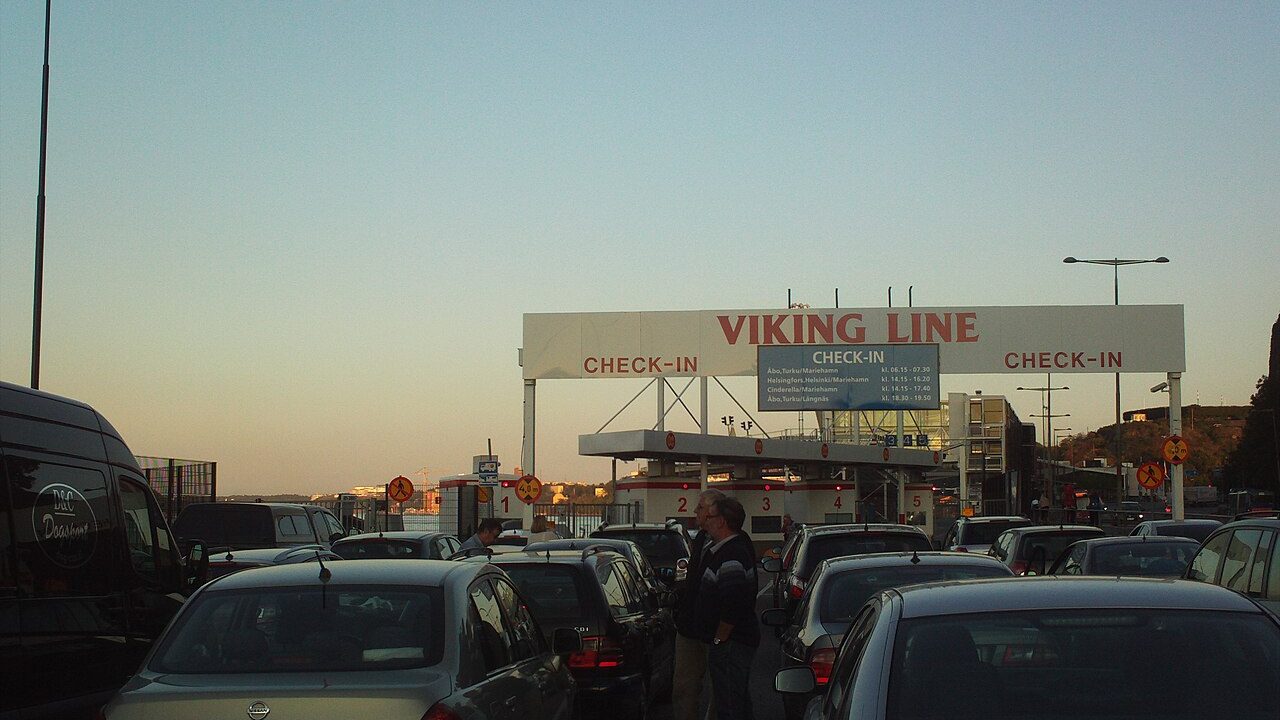
Ferry check-in closes 60 minutes before departure for cars and 30 to 45 minutes for foot passengers, and those numbers are deadlines for the barrier rather than targets for arrival. The lanes between the barrier and the ramp take another 20 to 40 minutes on a busy sailing, which is why the effective deadline is closer to 90 minutes.
The most common cause of a missed ferry is not a traffic jam. It is a driver who planned to arrive exactly at the cut-off and found a queue at the barrier.
The published cut-offs
Short Channel crossings: 60 minutes for cars, 45 for foot passengers. Some operators ask for 90 minutes in peak season.
Long overnight routes: 60 to 90 minutes for cars, because there are more vehicles and the loading takes longer.
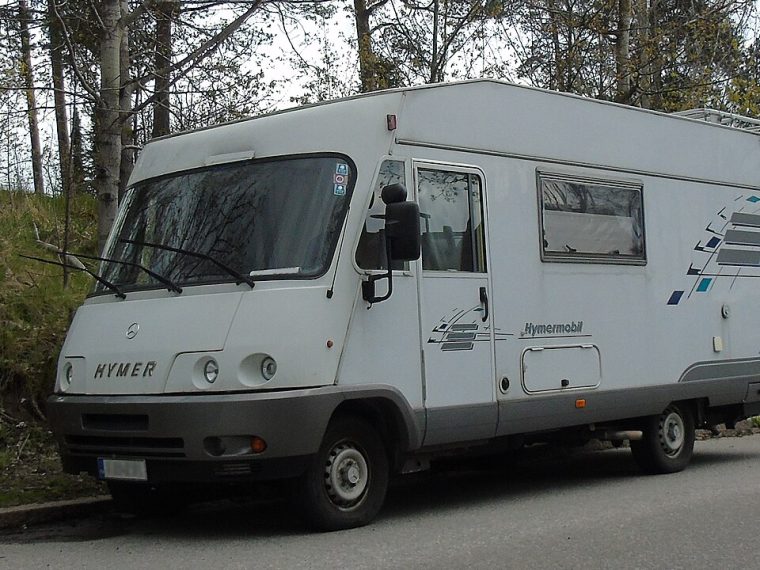
Trailers, caravans and motorhomes: 90 minutes on most routes, and two hours on some North Sea sailings.
Groups and coaches: 90 minutes to two hours, arranged with the group desk at booking rather than at the port.
What happens at the cut-off
The booking is flagged as a no-show and the space can be released to standby traffic. The barrier stops accepting the reference.
You are then sent to the ticket office, where staff will try to move you to the next sailing. On a route with five departures a day, that is a minor inconvenience.
On a route with one departure a day, it is a lost day. This is why the cut-off matters more on thin routes than on busy ones.
The operator is not obliged to rebook you free of charge when you arrive late through your own fault, though most will do it for a fee.
Why the cut-off is not the arrival time
Between the barrier and the ship sit three processes: ticket scan, identity and vehicle check, and lane assignment. Each takes a few minutes, and each can queue.
On a full sailing, the lane queue alone can take 25 minutes. The ship loads in lane order, and the order is set when you enter the lane.
Arriving at the cut-off means joining the back of that queue with no margin. Arriving 90 minutes early means joining it with 30 minutes to spare.
The 30 minutes is not wasted. It is the buffer that absorbs a wrong turn, a closed road or a slow passport check.
Arriving too early
Ports hold early arrivals in a staging lane rather than letting them board. Arriving three hours early does not get you on an earlier ship.
Some operators allow a free move to an earlier sailing if space exists and your fare is flexible. Ask at the barrier rather than assuming.
The staging area is usually a large asphalt yard with toilets but no shelter. In winter, that is 20 minutes you do not want to spend outside.
Aim for 90 minutes. That is early enough to be safe and late enough to avoid a long wait in a cold yard.
Foot passengers have less slack
Foot check-in closes later, which tempts people to arrive late. But boarding usually starts 30 minutes before departure and the walk to the berth can take ten.
On large ships the foot passenger route includes stairs or a walkway and a security check. Fifteen minutes disappears quickly.
Arrive 45 to 60 minutes early on foot. It is still later than a car and it leaves room for the walk.
At small ports such as Newhaven or Dieppe, 30 minutes is genuinely enough. At Dover or Portsmouth, it is not.
Seasonal differences that catch people out
Summer check-in queues are 20 to 30 minutes longer than winter ones, because the volume of cars is higher and the border checks are slower.
French border control on the British side adds a checkpoint that did not exist before 2021. In peak periods it is the longest part of the process.
Christmas and Easter are as busy as August on the Irish Sea routes, because of visiting traffic rather than tourists.
Add 30 minutes to your planned arrival in any of those windows. It costs nothing and prevents the most avoidable failure in ferry travel.
A timeline that works
Sailing at 14:00. Barrier at 12:30. Port approach at 12:15. Fuel and coffee before that, at 12:00.
That gives 30 minutes of buffer over the 60-minute cut-off, which covers a slow queue at the barrier.
If you are driving more than three hours to the port, add 45 minutes to the drive estimate rather than to the port time.
Write the barrier time on the booking confirmation. It is the number you actually need, not the departure time.
If you are running late on the road
Telephone the operator as soon as you know you will miss the cut-off. Staff can sometimes hold the booking or move it before the system flags it.
Do not simply drive faster. A missed ferry is cheaper than an accident, and the operators hear “traffic” every day.
If the delay is caused by a road closure or a major incident, ask for the fee to be waived and offer evidence. Most operators do waive it.
If the delay is caused by the port’s own queue, you should be rebooked free. Note the time you joined the queue and take a photograph of the barrier.
Common mistakes at check-in
Bringing the wrong vehicle. The registration on the booking must match the car at the barrier.
Forgetting a passenger’s passport in the suitcase, which is in the boot, which cannot be opened in the lane because everyone behind is waiting.
Booking a sailing and arriving for the one before it, expecting to be waved through. On a full ship, you will not be.
Assuming the port runs on the same clock as your phone. Check whether the destination is in a different time zone before calculating your arrival.
Night sailings and the earlier call
Overnight sailings usually close check-in 60 minutes before departure, but the operator asks for 90 because the vehicle volume is higher.
Loading for a night sailing takes longer: 300 cars and 60 lorries take 45 minutes to load, against 20 for a short crossing.
The lanes are also darker and the marshals fewer. Arriving in good time matters more, not less.
Aim to be at the barrier two hours before a night sailing. The ship will not wait and the next one is tomorrow.
Priority boarding, and whether it is worth it
Several operators sell priority boarding, which puts you in the first group onto the ship. It costs 10 to 25.
It saves perhaps ten minutes at each end and gets you a better seat in the lounge, which on a full sailing is worth something.
It does not change the unloading order, which is fixed by deck position. If you want to leave first, ask for a high lane number instead.
On an overnight sailing with a cabin, priority boarding buys nothing at all. Skip it.
What the boarding card means
The card or slip issued at check-in shows the lane, the deck and sometimes the stairwell. It is the only record of where your car is parked.
Photograph it before you leave the car. Cars look identical on a deck of 300, and the stairwell letter is the detail that gets people lost.
Keep it with your passport, not in the car. You will need it to find the vehicle on arrival.
Some operators now issue digital boarding cards. Screenshot them, because the ship’s wifi is unreliable and the mobile signal at sea is worse.
What good practice looks like
Book the sailing you can reach comfortably, not the one that looks efficient. The 06:00 departure is cheaper for a reason.
Plan to arrive 90 minutes early and treat the extra half hour as part of the crossing rather than as lost time.
Keep documents in the car and passports in the door pocket. The check happens at the window, not at the desk.
Check the sailing status before leaving home. A two-hour delay announced at 07:00 is better than discovered at 11:00.