Taking a motorhome on a ferry: length, height and gas rules
A motorhome is priced by length and height together, costs 1.5 to 2.5 times a car fare, and must have its gas supply turned...
 Fabrice Dejean7 min readSep 8, 2026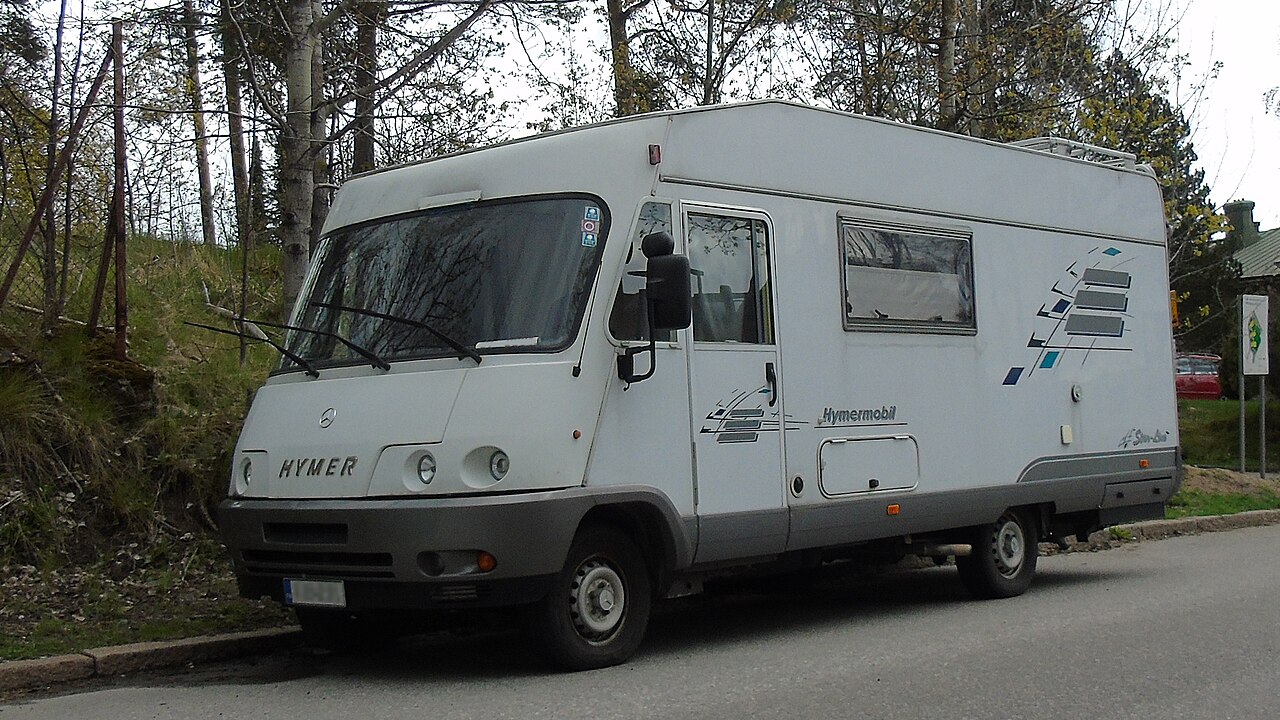
A motorhome is priced by length and height together, costs 1.5 to 2.5 times a car fare, and must have its gas supply turned off before boarding. Those three facts cover most of what goes wrong on a first motorhome crossing.
Beyond the fare, the practical differences are the ramp, the lane and the fact that you cannot return to the vehicle during the crossing. All three are manageable with a little preparation.
How motorhomes are priced
Length is measured bumper to bumper, including bike racks, tow bars and rear boxes. A 6.5-metre vehicle with a rack is booked as 7 metres.
Height is measured to the highest point, including roof vents, solar panels, air conditioning units and satellite domes. Most motorhomes land in the 2.6 to 3.2 metre band.
Most operators price motorhomes in a dedicated category with bands at 6, 7 and 8 metres. Above 8 metres the vehicle usually needs a freight booking.
A 7-metre motorhome with two adults typically costs 220 to 420 return on the Channel, and 500 to 800 on the North Sea with a cabin.
The gas rules
Gas must be turned off at the bottle before boarding, not just at the appliance. Staff may ask to see the valve, so leave access clear.
Some operators require the bottle to be disconnected and the connection capped. This is more common on North Sea routes than on the Channel.
Refillable LPG systems are restricted on some ships and banned on others. Declare the system at booking rather than discovering the rule at the gate.
Portable camping stoves and spare canisters should be declared too. They are usually allowed if sealed and stored, but the rule varies by operator.
Height, ramps and deck clearance
Motorhomes use the high-vehicle ramp, which is steeper and narrower than the car ramp. Approach slowly and in first gear.
Ground clearance matters at the ramp transition. Vehicles with long rear overhangs can scrape, and a raised suspension helps.
Roof-mounted equipment reduces the number of decks the vehicle can use. A 3.2-metre motorhome is loaded on the main deck or the upper deck only.
If your vehicle is over 3.5 metres, telephone the operator before booking. Some ships cannot take it at all.
Boarding and parking on deck
You will be directed to a space and asked to leave the vehicle immediately. Do not extend awning, slide-outs or levelling jacks on deck.
Switch off the fridge’s gas mode before boarding. A fridge running on gas is the most common cause of a refusal at the ramp.
Take everything you need for the crossing: documents, medication, food, pet supplies and a bag for the cabin. The vehicle deck is closed during the sailing.
Note the deck and stairwell. Motorhome decks are usually at the ends of the ship, and the walk to the passenger areas is longer than from a car.
Cabins for motorhome travellers
Motorhome travellers usually want a cabin on overnight routes, and often book two for a family. Four-berth cabins are the best value.
Some operators offer a motorhome-plus-cabin package that prices the two together. It is usually 10 to 15 percent below booking separately.
Pet cabins are worth asking about, because motorhome travellers are more likely to have a dog. Supply is small, so book early.
On short crossings, the vehicle is often comfortable enough for a nap, but you cannot stay in it. The rule is enforced.
Fares: what a motorhome actually costs
Dover to Calais, 7-metre motorhome, two adults, June: 190 to 280 return. The equivalent car fare is 120 to 160.
Portsmouth to Caen, same vehicle with an outside cabin: 380 to 520 return. The crossing replaces a hotel night for two, which offsets 90 to 140.
Newcastle to IJmuiden, same vehicle with a cabin: 520 to 760 return. This is the most expensive crossing in Europe for a motorhome.
Foot passengers cannot book a motorhome, so the fare is per vehicle regardless of how many travel. A solo motorhome driver pays the same as a couple.
Practical tips for the ramp and the port
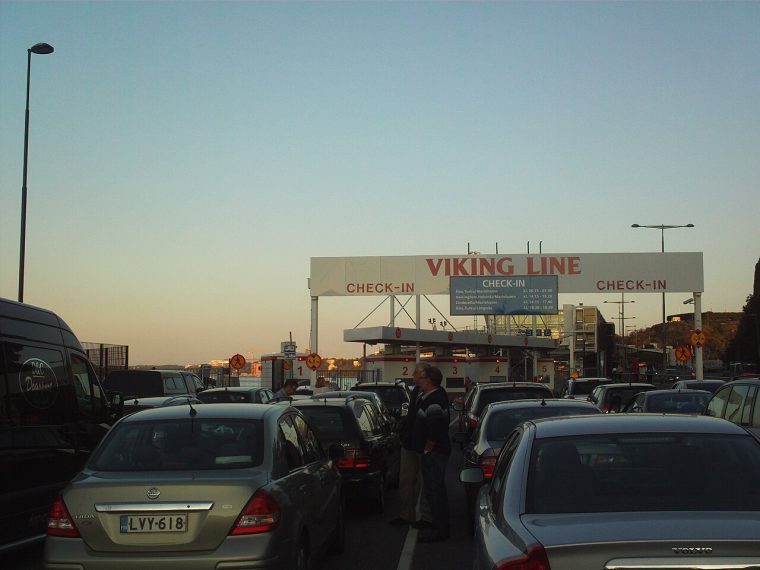
Arrive 90 minutes early. High vehicles are loaded in a separate lane and the queue moves more slowly than the car lane.
Check the height of any barrier on the approach road. Some port entrances have 3-metre limits that a tall motorhome with a roof box will not clear.
Fill up before the port. Motorhome fuel tanks are large and the stations nearest the terminal are the most expensive on the route.
Empty the waste water tank before boarding if the rules require it. Some operators refuse vehicles with open waste valves, and all of them dislike leaks on deck.
Camping near the ports
Dover has several campsites within 15 minutes of the port, useful for an early sailing. Most take motorhomes without booking outside August.
Portsmouth and Newhaven have fewer options, and the nearest sites are 20 to 30 minutes inland.
On the French side, Calais and Ouistreham both have municipal campsites close to the terminal. They are cheap and open from April.
Staying near the port the night before removes the risk of a traffic delay on the morning of the crossing. For a 09:00 sailing, that is worth the pitch fee.
Lanes, ramps and reversing
Motorhomes are loaded on the high-vehicle ramp, which is wider but steeper. Approach in first gear at walking pace.
You will be directed into a space and may need to reverse. If you are not confident, ask the marshal to guide you; they do it all day.
Do not stop halfway up the ramp to check your position. The vehicle behind cannot see you and the deck hands cannot get past.
On arrival, wait for the signal and drive straight off. Turning early on a ramp is how mirrors get removed.
Waste, water and the rules
Close and secure the waste water valve before boarding. An open valve leaves a trail on the deck and the crew will refuse the vehicle.
Some operators ask for the fresh water tank to be less than half full, because of weight distribution on the deck.
Chemical toilets must be sealed. A leaking cassette is the fastest way to be turned away at the ramp.
Empty both tanks before arriving. Most ports have a disposal point, and the ones that do not have a garage within five miles that does.
What the crew checks at the ramp
Gas off, fridge off, height and length as declared, and nothing protruding from the sides. That is the whole list.
They may also check that the vehicle is not leaking and that the awning is retracted. Both are quick visual checks.
If something is wrong, you will be asked to move aside and fix it. That costs 10 to 20 minutes and your boarding slot.
Do the checks yourself in the lane before the ramp. It takes two minutes and avoids the whole conversation.
Family logistics in a motorhome
Everything the family needs for the crossing has to come out before boarding. Pack one bag per person and leave it by the door.
Car seats and boosters stay in the vehicle. Children walk up to the passenger areas, which on a large ship can be a five-minute walk.
Take snacks and water. The shop is open but the queues at departure are long and the prices are port-level.
Agree a meeting point on the ship. Motorhome families tend to scatter, and the vehicle deck call is sudden.
Booking a pitch near the port
An early sailing is much easier if you slept 15 minutes away. Most ports have a campsite within that radius.
Book the pitch for the night before, not the night of arrival. Arriving at 23:00 to a closed barrier is a common mistake.
Check that the site takes motorhomes over 7 metres and has a grey water point. Municipal sites usually do; wild camping spots usually do not.
Leave the site two hours before check-in. That absorbs a wrong turn and a fuel stop and still puts you at the port early.
What to check before booking
Measure the vehicle with everything fitted and add 10 centimetres to each dimension. Book the higher category if you are close to a band.
Confirm the ship can take your height and that the route accepts LPG if you have it. Both are route-specific.
Check whether the fare includes a cabin. On long routes, the cabin is often the larger part of the bill.
Book the return at the same time. Motorhome space is limited on peak sailings, and single fares are priced punitively.