Vehicle height and roof boxes: the measurement that catches drivers out
A roof box adds 20 to 50 to a ferry fare and can add more if it pushes the car into the next height...
 Fabrice Dejean7 min readJul 28, 2026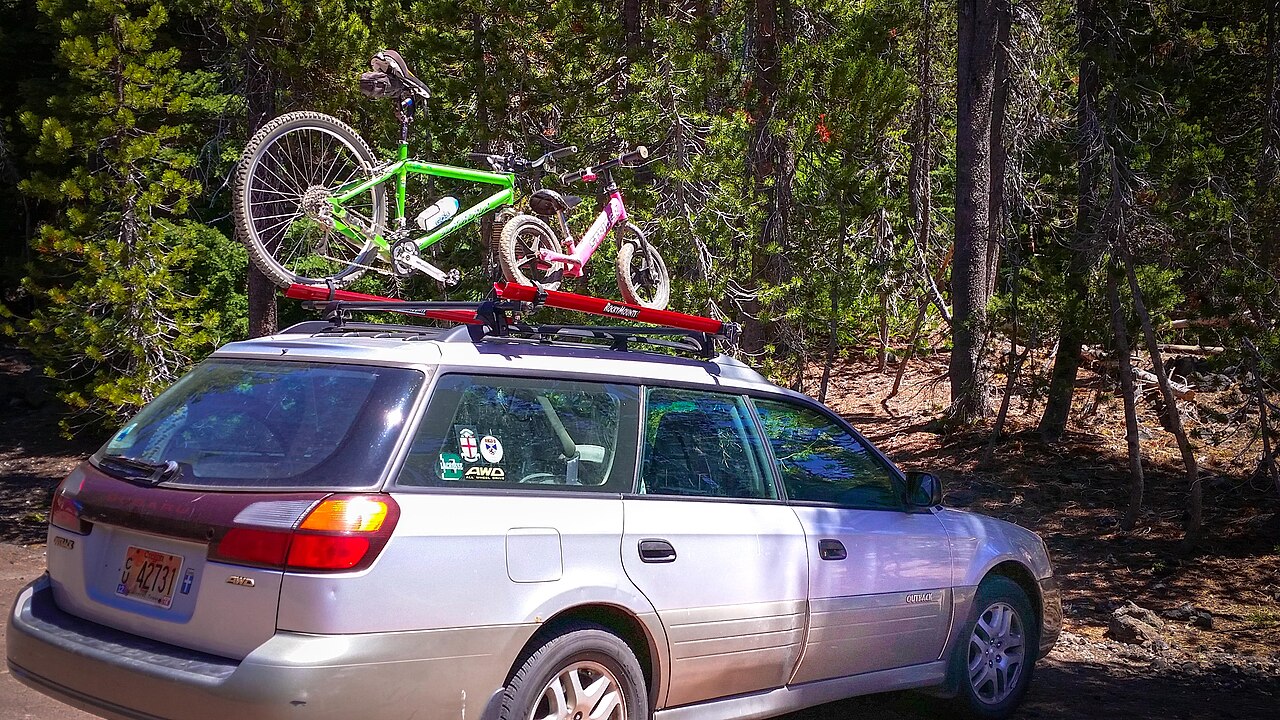
A roof box adds 20 to 50 to a ferry fare and can add more if it pushes the car into the next height band, and the measurement is taken at the port rather than trusted from your booking. Measuring the car properly before booking saves the argument and the surcharge.
Height bands exist because the decks have fixed clearances and the ramps have limits. A car that cannot fit on the standard deck has to be loaded elsewhere, and that is what the surcharge pays for.
How the measurement is taken
Height is measured from the ground to the highest fixed point, with the vehicle on level ground and tyres at normal pressure.
Roof bars, roof boxes, bike racks, roof tents, aerials and light bars all count. A folded bike rack still counts if it stands above the roofline.
The measurement is usually taken with a gauge at the gate, not with a tape measure by the driver. The gate reading is the one that applies.
Measure at home with the car loaded. Suspension compresses with a full boot and four passengers, which can add two centimetres at the roof.
The typical bands
Most operators use 1.85 metres as the first threshold, then 2.0, 2.3 and 2.6 metres. Above 2.6 metres the vehicle is usually classified as a van or motorhome.
An ordinary hatchback is 1.45 to 1.55 metres. An SUV is 1.65 to 1.80. Add a roof box and an SUV moves from 1.75 to 2.05, which crosses a band.
The surcharge at the first band is 20 to 50. At the second it is 40 to 90, and it is charged each way.
Some operators price height into the vehicle category rather than as a separate supplement, which is why the quote can jump without an itemised line.
The deck clearance problem
Standard car decks often have 2.0 to 2.2 metres of clearance. A loaded roof box can exceed that, which is why the height question is asked at booking.
Vehicles over the standard clearance are loaded on a high deck or through a different ramp. That takes longer and reduces the number of vehicles the ship can carry.
If your vehicle is borderline, declare the higher figure. Being reclassified at the gate costs more than declaring it upfront.
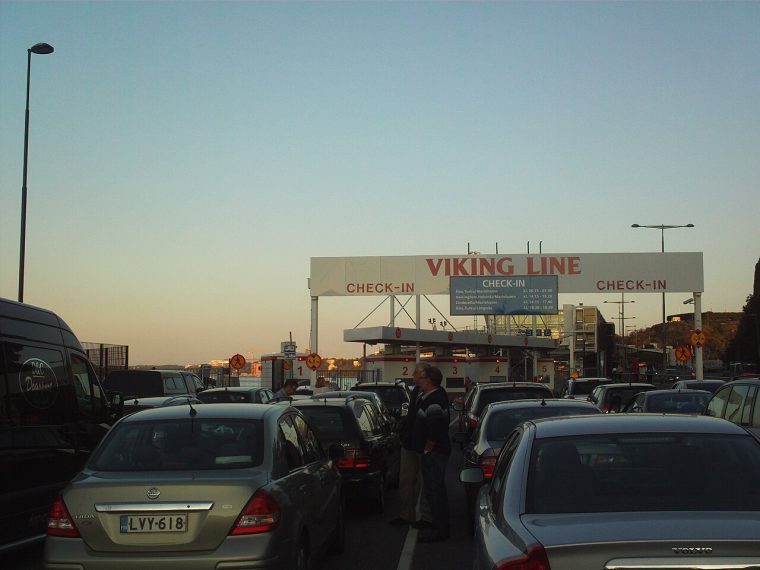
Some ports have height barriers on the approach road, not just on the ship. A 2.1-metre barrier before the check-in booth has caught more than one roof tent.
Roof boxes: cost versus benefit
A roof box costs 20 to 50 each way in surcharge and adds 5 to 10 percent to fuel consumption on the drive.
It also adds wind noise, reduces the ability to use some car parks and, on a ferry, may put you in a slower loading lane.
For a family with a week’s luggage, it is usually worth it. For a couple with two bags, it is not.
If you only need the extra space for part of the trip, fit the box after the crossing. That is the cheapest solution and it is entirely legal.
Roof tents and bike racks
A roof tent is 30 to 40 centimetres when folded and puts almost any vehicle over the first band. It also raises questions about overnight sleeping on board, which is prohibited.
A tow-bar bike rack counts if it extends the vehicle length, and a rear rack on a hatchback can push a 4.6-metre car past 5 metres.
Roof-mounted bikes are measured at the handlebar height, which for an adult bike on a roof rack is around 2.4 metres.
Declare whichever is fitted. The gate measures the vehicle as presented, not as described at booking.
Vans and converted vehicles
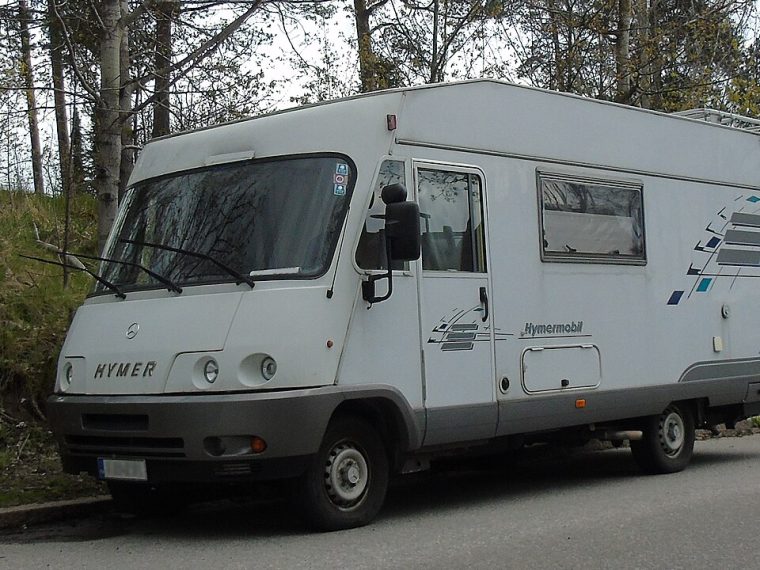
A panel van converted to a camper is a motorhome in the operator’s terms if it has sleeping and cooking facilities, and it is priced accordingly.
A plain panel van is priced as a van, which is 20 to 40 percent above a car on most routes. Removing the racking does not change the classification.
Vans with commercial goods need a freight booking. A van carrying stock is not a tourist vehicle, whatever the paperwork says.
Height is the deciding factor for most vans: a high-roof Transit at 2.6 metres sits in the top band on every operator.
What happens if you under-declare
The gate reclassifies the vehicle, charges the difference at the counter rate and may send you to a different lane.
The counter rate is the turn-up fare, not the online saver fare, so the difference can be 60 to 120 rather than 30.
In extreme cases the vehicle cannot be loaded on the booked sailing and moves to the next one. That is rare but it happens with roof tents on older ships.
Nothing is gained by under-declaring. The vehicle is measured either way, and the only variable is the price you pay.
How to measure properly at home
Park on level ground with the tyres at the correct pressure and the car loaded as it will be for the trip.
Lay a straight edge across the highest point and measure to the ground with a tape. Do it at the front and the back, because roof rails are often higher at one end.
Add two centimetres for suspension movement and write the figure on the booking. Round up rather than down.
Photograph the measurement with the tape in frame. If there is a dispute at the port, the photo settles it in seconds.
Which vehicles sit on the boundary
A standard estate car with roof rails is 1.55 metres. Add cross bars and a slim box and it is 1.95, which crosses most first bands.
A large SUV is 1.75 to 1.85 before anything is fitted. A roof box takes it to 2.15, which is a second band on some operators.
A van-based MPV is often 1.9 metres as standard, which is already over the first threshold on every route.
Lifted vehicles, vehicles with bigger tyres and vehicles with air suspension set high all sit higher than the brochure figure.
Measuring in practice
Use a rigid straight edge across the highest point and a tape measure to the ground. A second person makes this much easier.
Measure at the front, the middle and the rear, and take the highest figure. Roof rails often slope.
Do it with the car loaded and the tyres cold. Warm tyres read slightly higher pressure and slightly different height.
Write the number in your phone and use it every time you book. The vehicle does not change, and neither should the declaration.
The surcharge you actually pay
Height supplements run 20 to 50 for the first band, 40 to 90 for the second and 60 to 140 above that. They are charged each way.
On some operators the supplement is folded into a vehicle category, so the quote rises without an itemised height line.
Check both directions. Some routes price the outbound and the return differently because the port handling differs.
A return trip with a roof box can cost 100 more than the same trip without one. That is more than the box itself is worth on a short break.
When to take the box off
If the trip is a week or less and the box is only half full, leave it at home and pack less.
If you need it at the destination but not on the crossing, fit it after arrival. Some travellers ship the box separately, which is rarely cheaper.
If you are crossing twice in a season, the surcharge alone may pay for a small trailer, which is priced differently and sometimes lower.
Weigh the saving against the hassle. On a two-week family holiday, the box is worth the 40 and the argument is not worth having.
Ways to avoid the surcharge legitimately
Remove the roof box for the crossing and refit it on the other side, if you have somewhere safe to leave it. Some ports offer storage, most do not.
Use a rear-mounted bag instead of a roof box on a low car. It does not change the height, though it may change the length.
Choose an operator whose first height band is higher. The bands are not standardised, and a 2.05-metre vehicle may fit a standard band on one route and not another.
Travel with less. The cheapest roof box is the one you leave at home.