Electric cars on ferries: charging, restrictions and operator rules
Electric cars are accepted on almost every ferry route, but they are treated as a separate vehicle class with their own rules, and those...
 Fabrice Dejean7 min readJul 9, 2026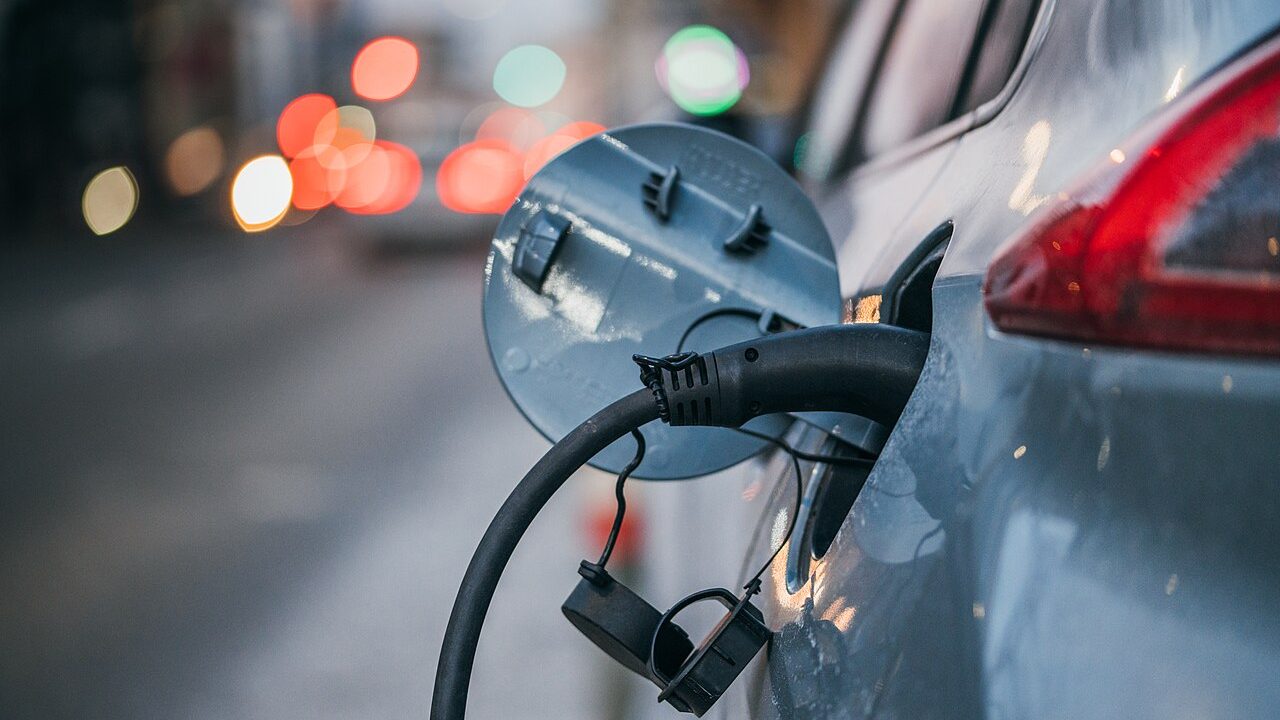
Electric cars are accepted on almost every ferry route, but they are treated as a separate vehicle class with their own rules, and those rules are stricter than most drivers expect. The main ones concern state of charge, deck position and whether you may plug in at all.
The regulations grew out of fire risk assessments, and they are enforced by the operator rather than by the port. What follows is what to check before you book, not a substitute for the operator’s own terms.
What operators typically require
Declare the vehicle as electric or plug-in hybrid at booking. The vehicle category affects deck allocation, and an undeclared EV may be moved at the gate.
Many operators ask for a state of charge below a set level, commonly 30 to 50 percent, for the crossing. The rule exists to limit the energy available to a failing battery.
Some require the vehicle to be switched off and the charging cable disconnected, and a few ask for the key to be left with the deck crew.
Others ban EVs from certain decks or from sailings altogether while they retrofit fire detection. Check the specific ship rather than the route.
Charging on board
Charging on board is rare. A handful of newer ships have charging points, usually for a fee and usually bookable in advance.
Do not assume a charging point exists because the ship is new. Ask at booking and get the answer in writing if the crossing depends on it.
Charging cables should be stowed, not left plugged in. An unattended cable on a vehicle deck is a hazard the crew will remove.
If the ship has no charging, plan the crossing as a loss of range rather than a neutral event. A 90-minute crossing with the alarm armed and the interior light on still draws power.
Which routes are most restrictive
The Channel routes are the most accommodating, with high frequency and modern ships. Dover to Calais accepts EVs on all sailings.
Long North Sea crossings have the most restrictions, because the vehicle sits on deck for 16 hours and the fire strategy is more complex.
Smaller ships and fast craft have less space between vehicles and fewer fire suppression zones, which is where restrictions appear first.
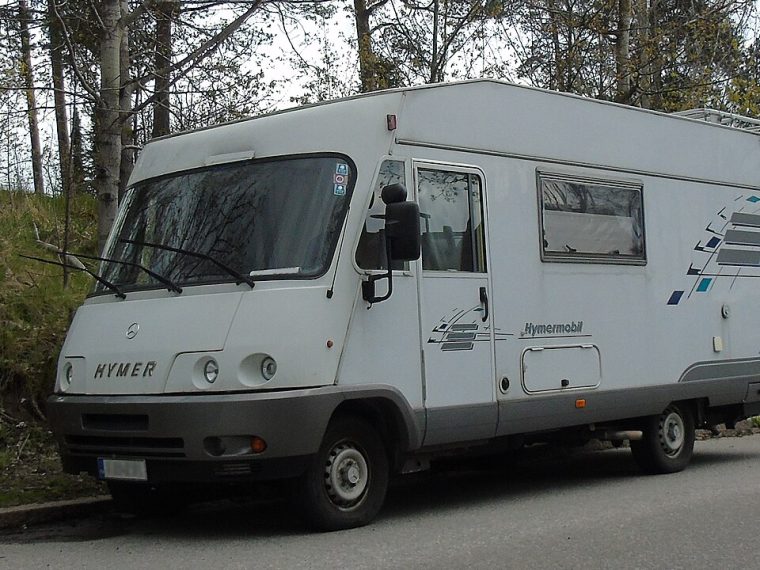
If you are travelling with an EV and a caravan or trailer, telephone the operator. The combination is treated as a special case on several routes.
Range planning across the crossing
Charge before the port rather than at it. Port charging is limited, often occupied and expensive compared with a rapid charger 20 miles inland.
Plan the first charging stop after arrival, not the last one before departure. The far side is where the uncertainty is.
Assume 10 percent range loss on the crossing if the battery is cold and the car keeps its systems alive. In winter, assume 15.
Check that your charging app or card works in the destination country. Some networks require a local account or an RFID card posted to you.
Plug-in hybrids
Plug-in hybrids are usually treated as electric vehicles for deck allocation and as petrol cars for fire risk, which produces inconsistent rules.
Some operators ask for the battery to be depleted and the car to be in a mode that does not start the engine. Others simply ask for the SOC to be below the threshold.
Declare the vehicle type accurately. A PHEV booked as a petrol car may be refused at the gate if the deck plan has no space for it.
Carry the charging cable but do not use it on board unless the operator has confirmed a charging point.
Fire risk rules and why they exist
Lithium battery fires burn hot, restart and are difficult to extinguish with standard deck equipment. The rules are a response to that, not a dislike of electric cars.
That is why EVs are often parked near the ramp or in a dedicated bay, and why some operators leave a gap between them.
It is also why a state-of-charge limit exists: a battery at 30 percent releases much less energy than one at 95 percent.
Treat the rules as fixed. Arguing at the gate delays the sailing and does not change the deck plan.
What the fare looks like
EVs are priced as cars on most routes, with no surcharge for the powertrain. A few operators apply a small fee for a charging point, not for the vehicle.
Height and length rules still apply. A roof box on an EV adds the same surcharge as on a petrol car.
Weight is not usually priced, though very heavy vehicles may be asked about at booking. A large electric SUV plus four adults is close to some deck limits.
Discounts and loyalty schemes apply as normal. There is no EV discount anywhere in the market.
Ferries and e-bikes
E-bikes are treated as bicycles on most routes and cross free or for a small charge. The battery must be intact and undamaged.
Some operators ask for e-bikes to be declared, because the battery adds a fire risk in the cycle storage area.
Damaged or home-built batteries may be refused. If the pack looks improvised, expect questions.
Scooters and mopeds follow motorcycle rules, with the same strapping requirements and the same declaration.
Charging at the port
Port charging exists at Dover, Calais, Portsmouth and IJmuiden, but the number of points is small and they are often occupied.
They are also expensive compared with a rapid charger inland, sometimes twice the price per kilowatt hour.
Treat port charging as an emergency option rather than part of the plan. Charge 20 miles before the port at a rapid charger instead.
If you do use a port charger, move the car as soon as it finishes. The bays are monitored and the fine is real.
If the battery is flat on arrival
A car with no charge cannot be loaded onto some decks, because it cannot be moved in an emergency.
Tell the deck crew before the ramp if the vehicle is immobile. They can arrange a tow or a different position.
Most operators will refuse a vehicle that cannot move under its own power. That is a safety rule, not an inconvenience.
Keep at least 10 percent charge for the crossing and the port manoeuvring. That is the practical floor.
Cold weather and range
Battery range falls by 20 to 30 percent in near-freezing temperatures, and the crossing adds a small additional drain.
If you are crossing in winter, plan the first charging stop sooner than you would in summer.
Cabin preconditioning before boarding uses power, so do it while plugged in rather than on the drive to the port.
A cold battery also charges more slowly. The first rapid charge after a night crossing will take longer than the car’s specification suggests.
Caravans and towing with an EV
Towing halves range on most electric cars, and some operators treat an EV plus caravan as a special category.
Telephone the operator before booking. The combination affects deck allocation and, on a few routes, is not permitted.
Plan charging stops every 100 to 120 miles when towing, and check that the chargers have space to pull in with a trailer.
Charging bays are usually designed for solo cars. A caravan combination often needs a pull-through bay, and those are rare.
What to do before you travel
Read the operator’s electric vehicle policy on their site rather than a summary. The policies are updated more often than the general terms.
Declare the vehicle type, the battery capacity and the state of charge if asked. Answer honestly; the deck crew can check the display.
Charge to the required level before arriving, not after. The port is the worst place to discover a rule you cannot meet.
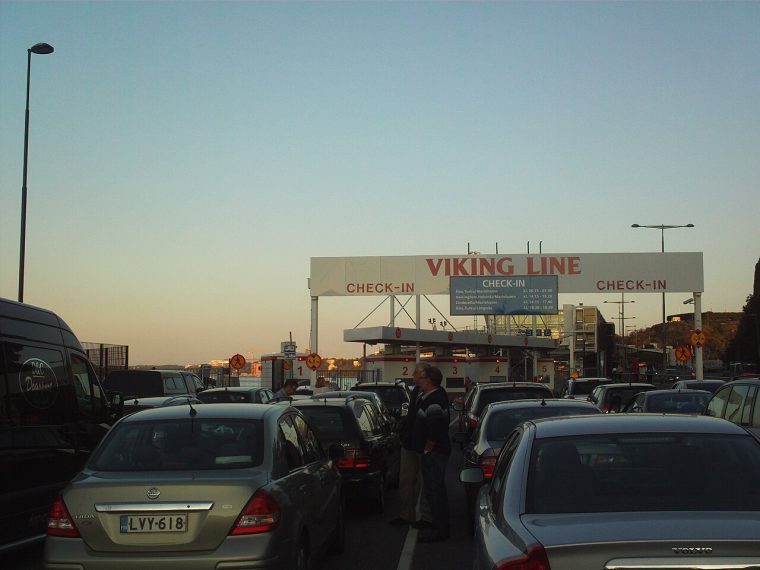
Arrive 90 minutes early. EVs are sometimes loaded last and sometimes first, and the lane instructions are given at the gate.