Ferry timetables explained: how to read a sailing schedule properly
A ferry timetable is a legal document dressed as a marketing page, and reading it properly saves more money and more missed boats than...
 Fabrice Dejean8 min readAug 29, 2026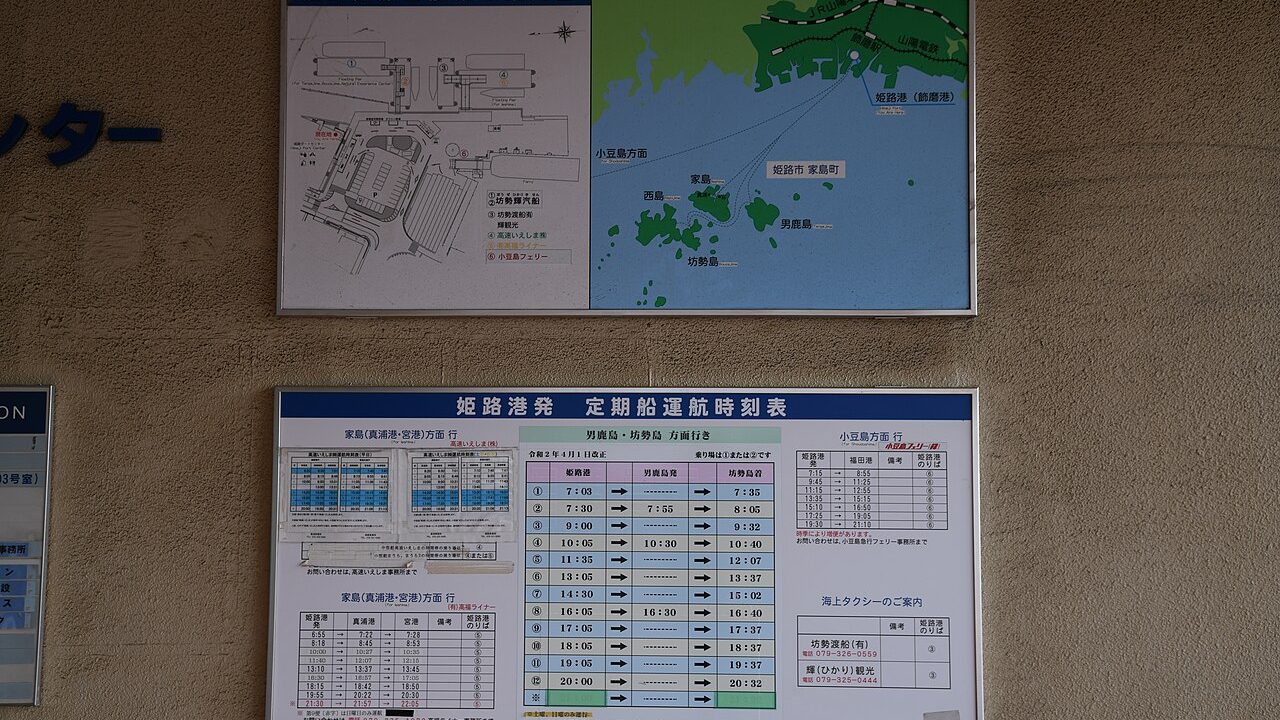
A ferry timetable is a legal document dressed as a marketing page, and reading it properly saves more money and more missed boats than any booking trick. The three numbers that matter are departure time, crossing duration and check-in cut-off, and they are rarely shown together.
Most booking screens show the first two and hide the third. The third is the one that decides whether you sail.
Local time is not your time
Schedules are published in the local time of each port. That sounds obvious until you cross a time zone on the water, which happens on every Channel, North Sea and Irish Sea route.
A 14:00 departure from Dover arrives at 16:30 in Calais, which is 15:30 on a British watch. The crossing took 90 minutes; your phone will show two and a half hours.
On overnight routes the confusion is worse. A 23:30 sailing that arrives at 08:00 has crossed into another day and possibly another zone, and the booking engine will display both correctly while you misread one.
Crossing duration and door-to-door time
The published duration measures time on the water. Door-to-door time adds check-in, boarding, disembarkation and border control.
For a car on a short Channel crossing, add 90 minutes before and 20 after. For a foot passenger, add 45 before and 15 after.
For a long crossing, the arithmetic is different: boarding takes longer because there are more vehicles, but the ratios improve. A 16-hour crossing might have three hours of process around it.
The check-in cut-off, and why it is earlier than it looks
Most operators close vehicle check-in 60 minutes before departure. Some close it 90 minutes before on long routes and in peak season.
The cut-off is not the time you should arrive. It is the time after which your space can be sold, and the lanes between the barrier and the ship take another 20 to 40 minutes to clear.
Foot passengers usually have a 30 to 45 minute cut-off, which is convenient but misleading: the walk to the berth can take ten minutes and boarding may close before the stated time.
Sailing numbers and codes
Each departure carries a sailing number, and the same number appears on the ticket, the timetable and the port screens. Use it when asking staff a question.
Codes also indicate the ship and the route. Two departures ten minutes apart can be different ships on different berths, and the code is how the port tells them apart.
If you are booking a connection, note the sailing number rather than the time. Times shift seasonally; numbers do not.
Seasonal schedules change twice a year
Ferry timetables are usually revised in late March and late October. Departures move by 20 to 60 minutes, and some sailings disappear entirely in winter.
A route that runs four times a day in August may run twice in January. Booking a winter trip against a summer timetable is the most common planning error on these pages.
Always check the date on the timetable page rather than the route page. Operators are good at labelling the season and bad at removing old PDFs from search results.
Duration varies by ship, not just by route
The same route can have two durations because two different ships serve it. A conventional ferry and a fast catamaran on the same crossing differ by an hour or more.
Fast craft also have a shorter season and a lower wind tolerance. In winter, the fast crossing may simply not exist.
Check which vessel is scheduled before you book a tight connection. The ship name is on the sailing detail, and it determines the arrival time.
Tidal ports and reduced sailings
Some ports can only be entered at certain states of the tide, which is why their timetables look irregular. Barfleur, Poole and several Brittany ports fall into this category.
At a tidal port, the sailing time shifts by up to an hour from day to day. The published timetable will show each day separately, and the pattern repeats roughly every two weeks.
This is also why a delay at a tidal port can cascade: missing the tide window can mean a six-hour wait rather than a 30-minute one.
Freight-only and unaccompanied sailings
Timetables often list departures that carry no passengers. They appear in the freight columns and cannot be booked by car.
Unaccompanied vehicle sailings are a separate product again: the vehicle travels, the driver does not. Useful for moving a second car, not for a holiday.
Reading the passenger column rather than the departure board avoids the confusion. If a booking engine does not offer the sailing, it is not a passenger sailing.
Code-share and partner-operated departures
Some routes are sold by more than one operator and sailed by one ship. The ticket says one name, the hull says another.
This matters at check-in, where the port staff work for the ship rather than the seller. Bring the booking reference, not the brand name.
It also matters for amendments. If you booked through a partner, changes go through that partner, and the ship’s operator cannot alter your ticket at the desk.
How to read a timetable in four steps
First, find the date-specific table rather than the seasonal summary. Second, note the check-in cut-off and subtract it from the departure time to get your arrival deadline.
Third, add disembarkation and border time to the arrival to get your realistic on-road time. Fourth, check the vessel and whether a faster or slower ship is scheduled.
Write those four numbers down before comparing prices. A cheaper sailing that arrives two hours later is not cheaper if it costs a hotel night.
Winter timetables and dry-docking
Ships are withdrawn for maintenance between January and March, and the sailings they would have operated vanish from the schedule. This is not a temporary glitch; it is the annual plan.
Routes served by two ships usually drop to one, which halves the frequency. Routes served by one ship may pause entirely for two to three weeks.
Dry-docking dates are published months ahead in the timetable notes, often as a small line under the table. Look for it before booking a winter crossing on a thin route.
If your travel dates fall inside a refit window, the operator will rebook you, but the alternative may be a different port 100 miles away.
Schedules and tide: worked examples
At a tidal port, the same sailing can leave at 08:10 on Monday and 09:25 on Tuesday. The pattern repeats roughly every two weeks as the tide cycle turns.
This is why some timetables show a different time for every day of the week rather than one time with a note. It is not sloppiness; it is physics.
For a driver, the practical effect is that a 30-minute delay can push a sailing past its tide window, and the next one may be six hours later.
Build a two-hour buffer on any crossing to or from a tidal port. It is the only reliable protection against the schedule’s weakest link.
Cross-checking a timetable against the booking engine
Open the timetable in one tab and the booking engine in another, with the same date. The engine will show the sailings that are actually on sale.
If a sailing appears in the table but not in the engine, it is either sold out, freight-only or withdrawn. The engine is the more current document.
If a sailing appears in the engine but not in the table, it is usually an extra sailing added for demand. Book it; it will not last.
Do this check before you plan a tight connection. It takes two minutes and prevents the most expensive kind of surprise.
Changes at short notice
Operators publish service updates on their website and by text message. The website is updated first and the port screens last.
Register a mobile number with the booking. On thin routes, a text 12 hours ahead is the difference between a rearranged plan and a wasted day.
Port staff often know less than the website, because the operations team updates the system before briefing the terminal. Check your phone before queuing to ask.
If a sailing is moved rather than cancelled, you are entitled to re-routing or a refund, but not to compensation if the delay stays under the thresholds.
What to do when the timetable and the booking engine disagree
The booking engine is authoritative for what you can buy; the timetable is authoritative for what exists. When they differ, the engine is usually right about the current season.
Telephone the operator if a sailing you need has vanished. Seasonal changes, charter commitments and dry-docking all remove sailings from sale before they disappear from the published table.
Screenshot the timetable page when you book. If a sailing is later moved, the screenshot is the difference between a free rebooking and an argument.