Trailers, caravans and roof racks: what counts as an extra metre
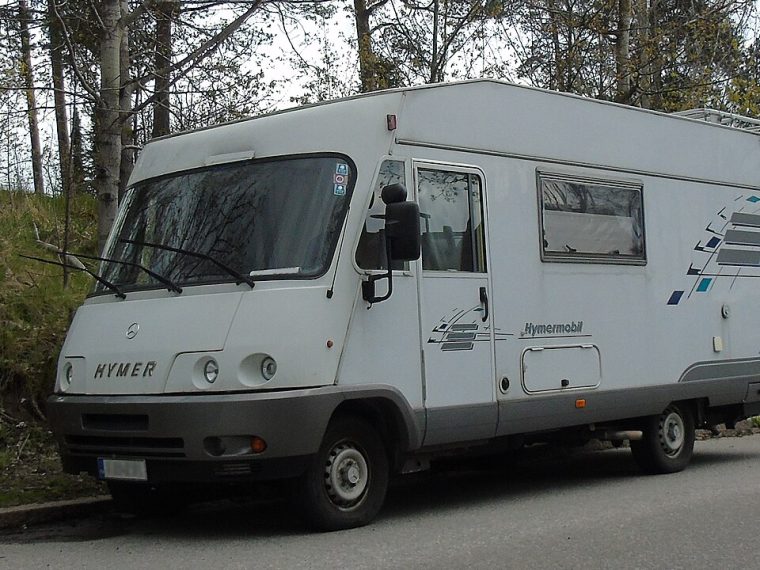
A trailer is priced as a separate vehicle on every ferry route in Europe, and a caravan usually costs as much as the car...
 Fabrice Dejean7 min readMay 6, 2026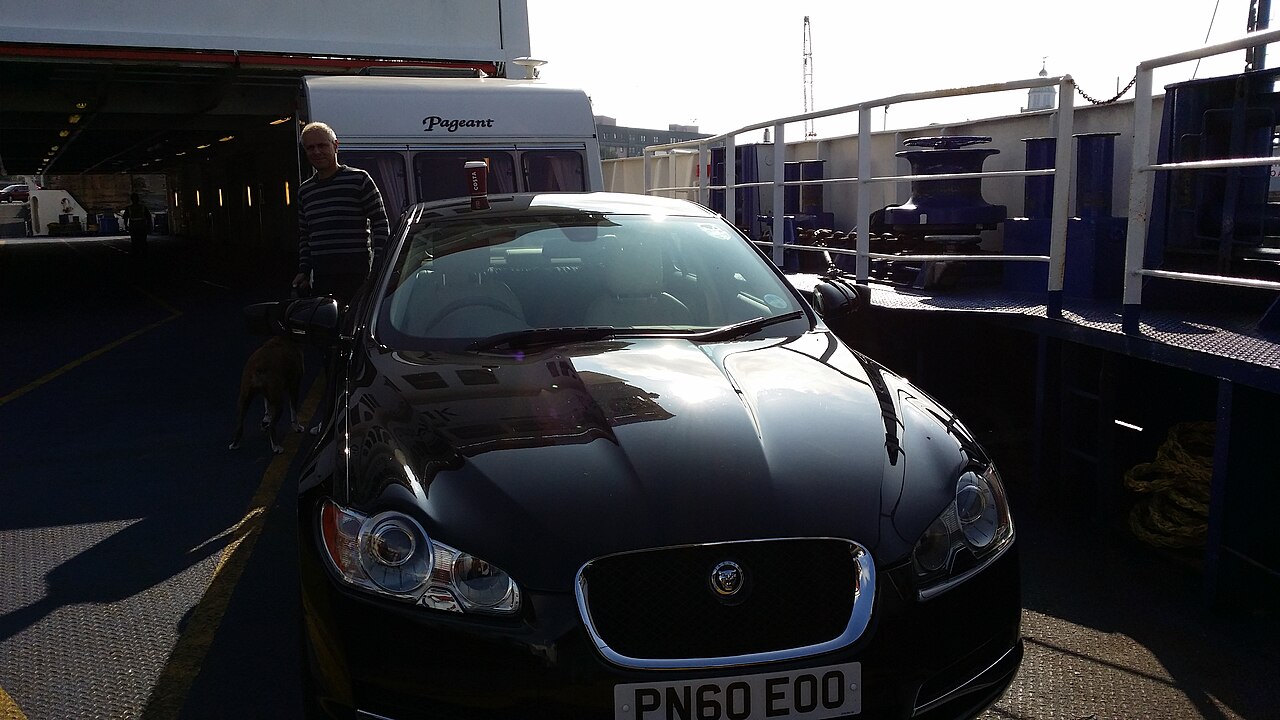
A trailer is priced as a separate vehicle on every ferry route in Europe, and a caravan usually costs as much as the car towing it. The measurement that decides the price is the combined length of the outfit, taken bumper to bumper with everything hitched and loaded.
Most drivers underestimate this by half a metre, because they measure the caravan body and forget the hitch, the tow bar and the rear box on the car. Half a metre is often the difference between one fare band and the next.
How the length is measured
The tape runs from the front bumper of the towing vehicle to the rearmost point of the trailer, including the jockey wheel, the spare wheel carrier and any bike rack.
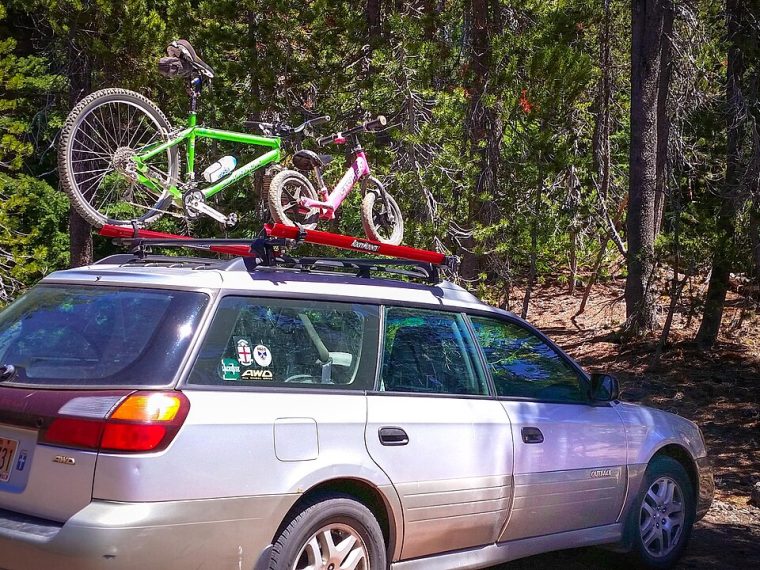
An awning on the drawbar counts. A rear-mounted cycle carrier on the caravan counts. A roof box on the car counts towards height, not length.
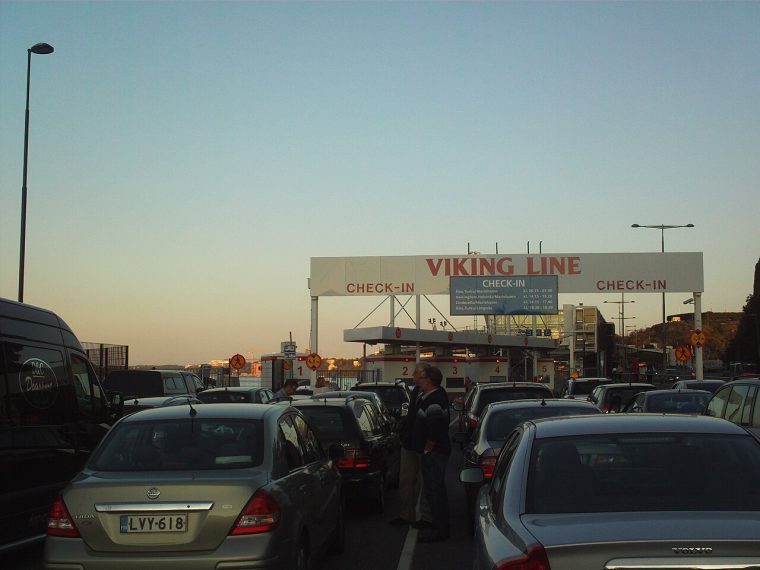
Operators measure at the gate with a gauge or a marked line on the ground, and the gate reading is the one you pay.
Measure the outfit at home on level ground with the caravan loaded as it will be for the trip, then add 10 centimetres and book that figure.
What operators charge
A car with a trailer under three metres is usually charged the car fare plus 50 to 100 percent. A caravan of five metres or more commonly doubles the fare.
Dover to Calais with a car and a 5-metre caravan costs 250 to 400 return in low season. The same crossing with the car alone is 120 to 160.
Portsmouth to Caen with the same outfit and a cabin runs 450 to 650 return. The caravan occupies deck space that could hold two cars.
Some operators require caravans over a certain length to book through the freight desk rather than the tourist channel, which changes the paperwork and the price.
Which routes handle caravans best
The Dover routes carry the most caravans and have the widest ramps and the most practice. Loading is quick and the crew have seen every combination.
The western Channel routes handle caravans well but have fewer sailings, so a missed boat is a longer wait.
Smaller ships and fast craft often cannot take a caravan at all, or take only short ones. Check the ship, not just the route.
Irish Sea and North Sea routes accept caravans, but the fare is high and the deck space is limited in summer. Book early.
The ramp and the tow
Drive onto the ramp in a straight line and at a constant speed. Changing direction on the transition is what causes the caravan to swing.
Do not brake on the ramp unless you must. The caravan’s overrun brake engages and the outfit jerks, which is uncomfortable and occasionally damaging.
On board, you will be directed to a lane and asked to unhitch if the space requires it. Some operators ask for the caravan to be unhitched so the car can be parked separately.
If you are asked to unhitch, do it before the crew ask. It saves five minutes and the queue behind you notices.
Gas, batteries and the rules on board
Gas must be turned off at the bottle before boarding. Some operators ask for the bottle to be disconnected; a few require the regulator to be capped.
Leisure batteries can stay connected, but the 12-volt system should be switched off. A caravan with lights on in a closed deck is a problem the crew will fix for you.
Awning and stabiliser must be retracted and secured. A loose steady leg on a ramp is how caravans get damaged.
Do not run a fridge on gas on the deck. It is the single most common reason a caravan is refused at the ramp.
Reversing and tight spaces
You will almost certainly be asked to reverse into a lane or a space. If you cannot, tell the marshal before you enter the lane.
A motor mover makes the difference on a loaded caravan in a tight port. If you have one, say so; the crew will give you a space that suits it.
Reversing a caravan is easier with a second person giving directions. The driver cannot see the rear corners, and mirrors alone are not enough in a port.
Take your time. A two-minute reverse is better than a damaged caravan and a closed lane.
Fares: worked examples
Car plus 4-metre caravan, Dover to Calais, June: 210 to 300 return. The car alone would be 130.
The same outfit on Newhaven to Dieppe: 280 to 380 return, because the route charges a higher vehicle supplement.
Car plus a small box trailer under two metres on the Irish Sea: 190 to 300 return, against 150 for the car alone.
In every case, the trailer adds 40 to 100 percent. There is no route where towing is cheap.
Insurance and breakdown cover
Check that your European breakdown cover includes the trailer or caravan. Many policies cover the car and exclude what it is towing.
Check that your insurance covers the caravan while it is on a ferry deck. Theft from an unattended deck is often excluded.
Photograph the outfit before boarding, including the hitch and the corners. If damage occurs, photographs taken at the port are what a claim rests on.
Report any damage before leaving the port. A claim opened a week later is much harder to pursue.
The unhitching rule, port by port
Some operators require caravans to be unhitched on board so the car can be parked separately. This is more common on North Sea ships than on the Channel.
Others allow the outfit to stay hitched, which saves ten minutes at each end but occupies more deck space and costs more.
Ask at booking rather than at the ramp. The answer determines whether you need a jockey wheel handle and a mover in reach.
If you must unhitch, do it as soon as you are parked. The crew will show you where to leave the caravan and where to put the car.
Weight and loading on deck
Deck loading is planned by weight as well as length. A heavy caravan goes on the lower deck, because the upper deck has a lower axle limit.
That is why heavy outfits are sometimes loaded last, even when they arrived first. The plan is made before the ramp opens.
It is also why you may be asked to move the car separately: two heavy vehicles in one row can exceed the deck limit.
Do not argue with the position you are given. The crew are working from a load sheet that was calculated for the sailing.
When the freight channel applies
Caravans over about seven metres, and any outfit carrying commercial goods, are usually booked through the freight desk.
Freight bookings have different check-in times, different lanes and different cancellation terms. They are not tourist fares and the flexibility is lower.
The practical advantage is that the freight desk handles awkward vehicles all day and rarely gets the measurements wrong.
The disadvantage is that you are travelling on a freight schedule, which may mean a night sailing or a longer wait.
Overnight crossings with a caravan
An overnight crossing means the caravan is on deck for six to sixteen hours. Everything you need must come out before boarding.
Book a cabin rather than a recliner. Caravan travellers usually carry enough luggage to make a shared lounge impractical.
Take the caravan keys with you, along with the mover remote and the hitch lock key. The deck is closed and you cannot go back for them.
Leave the fridge on gas? No. It must be off, and on a long crossing the contents will not stay cold. Use a cool bag.
What to check before you book
Measure the combined length and the height of the tallest point, then book the higher band if you are close to a threshold.
Confirm that the ship takes caravans, and that the sailing has space for one. Caravan slots are limited on some ships.
Ask whether the outfit must be unhitched on board. If it must, plan for ten extra minutes at each end.
Book the return at the same time. Caravan space sells out before car space on summer sailings, and single fares are priced high.