Harwich to Hook of Holland: the night crossing that saves a hotel
Harwich to Hook of Holland is the crossing to take when your destination is the Netherlands, Germany or beyond, and when you would rather...
 Fabrice Dejean7 min readMay 24, 2026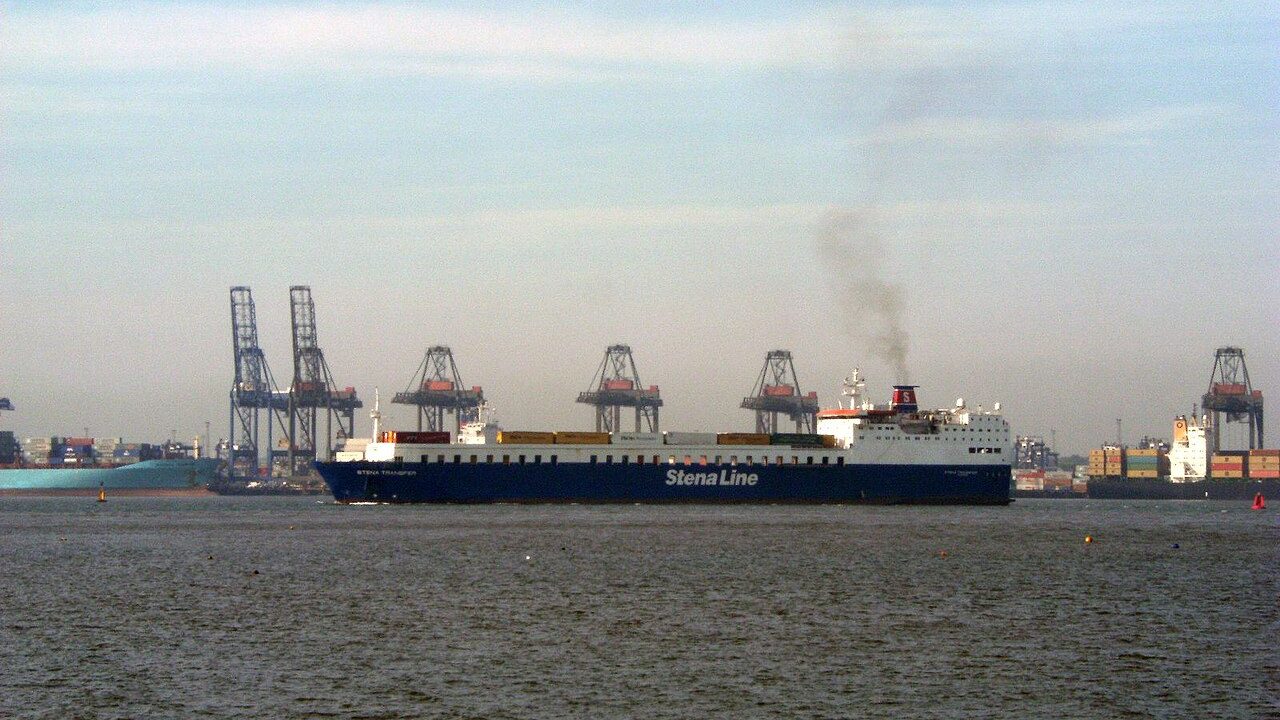
Harwich to Hook of Holland is the crossing to take when your destination is the Netherlands, Germany or beyond, and when you would rather sleep on the water than pay for a room on land. It runs overnight in both directions, takes around seven hours and lands you 40 minutes from Rotterdam.
The alternative is Dover to Calais plus a five-hour drive. The ferry costs more and takes longer in total, but it removes a hotel night, a tank of fuel and the fatigue of driving into Germany after dark.
The timetable in practice
The usual pattern is a departure from Harwich around 21:00 and an arrival at Hook of Holland around 08:00 local time. The return leaves Hook around 21:30 and reaches Harwich around 06:30.
Daytime sailings run on some days, chiefly for freight and weekend traffic. They take the same seven hours and are a different product: no cabin, a long day at sea, and a much lower fare.
Sailings are daily but not always at the same minute. The schedule shifts by up to an hour across the year, so check the date rather than the season.
What the night crossing includes
The cabin
An inside cabin for two typically costs 70 to 120 on top of the vehicle fare. Outside cabins with a window run 20 to 40 more, and four-berth cabins are available for families.
Cabins are small but functional: bunk beds, a shower, a basin and a desk. They are the reason this route works, and booking one is not optional if you plan to drive the next morning.
The restaurants
There is a self-service cafeteria and a sit-down restaurant. The cafeteria serves until late and reopens for breakfast; the restaurant takes bookings for dinner and is the better meal.
Expect 20 to 30 for a main course in the restaurant and 12 to 18 in the cafeteria. Neither is a bargain, and both are part of the crossing rather than an afterthought.
The bar and the decks
There is a bar with a view and open deck space. Leaving Harwich at 21:00 in summer means an hour of light and the container port sliding past, which is more interesting than it sounds.
In winter the decks are cold and wet, and the bar is where everyone ends up.
Fares and what they cover
A car with two passengers and an inside cabin usually costs 300 to 480 return, depending on season and how far ahead you book. That is the highest fare of any crossing in this guide.
Compare it with the alternative: Dover return at 150 plus a hotel at 90 plus 60 of fuel for the extra 300 miles. The totals land within 50 of each other, and the ferry includes breakfast.
Foot passengers pay 80 to 140 return with a shared cabin, or less for a reclining seat. The route is popular with cyclists and with rail passengers connecting at Harwich International.
Harwich port
The terminal is at Parkeston Quay, ten minutes from Harwich town and directly beside Harwich International railway station. Trains from London Liverpool Street take about 90 minutes.
Check-in closes 60 minutes before departure for cars and 45 for foot passengers. The port asks vehicles to arrive 90 minutes ahead for the night sailing, and the queue for the single vehicle lane can be slow.
There is nothing much around the terminal. Eat before you arrive, or plan to eat on board.
Hook of Holland port
Disembarkation is quick and the port connects directly to the A20 towards Rotterdam, The Hague and Amsterdam. Rotterdam is 25 miles away, The Hague 15.
Border control is on the Dutch side, usually a single checkpoint for cars. In the early morning the queue is short because the ship empties in one go and the booths open together.
Trains run from Hoek van Holland Haven into Rotterdam, which makes the route usable without a car. The station is a short walk from the terminal.
The overnight arithmetic
A cabin night on the ferry costs roughly what a mid-range hotel costs, and less than a hotel in Amsterdam. It also removes a day of driving, which is the real saving.
Set against that, you arrive at 08:00 with a whole day ahead, which is either useful or awkward depending on your plans. A business meeting at 09:00 in Rotterdam is easy; a hotel check-in at 15:00 in Cologne is not.
Families tend to like the crossing because the evening has structure. Children sleep in a known place and arrive at breakfast time rather than at midnight.
Weather and the North Sea
This is an exposed crossing and the ship moves. Force 7 winds are not unusual in winter, and the route cancels or delays more often than the Channel crossings do.
Modern ships on this route are large and stabilised, and most passengers are fine. Anyone who knows they are not should book a cabin low and midships, which moves least.
If you are travelling to a fixed appointment, allow a day of slack. The North Sea in November does not negotiate.
When to take this route and when not to
Take it for the Netherlands, the Ruhr, Cologne, Hamburg and Denmark. The drive from Hook is shorter and cheaper than from Calais for all of those.
Do not take it for Paris, Belgium or western Germany. The Dover route is faster and cheaper for anything south of the Rhine-Ruhr axis.
Do not take it if you cannot sleep on a moving ship. Seven hours awake in a reclining seat is a poor way to start a driving holiday, and the cabin will not help if you cannot use it.
Freight, coaches and the boarding order
Freight boards first on the night sailing, and the vehicle lanes are shared. Cars are loaded after the lorries, which is why the queue looks static for 20 minutes and then moves quickly.
Coaches board as a block after freight. Foot passengers board last, through a separate walkway.
If you are towing, you will be loaded with the high vehicles and unloaded early. That is a small advantage worth knowing at 06:30.
Duty free and what you can bring back
The ship sells alcohol and tobacco at duty-free prices, and the allowance is enforced at the border rather than at the till.
From the EU into the UK the personal allowance is 18 litres of wine, 42 litres of beer and 4 litres of spirits. Anything above that needs declaring.
Food rules run the other way: dairy and meat cannot enter the EU from the UK. A cool box of cheese will be taken at Hook of Holland.
Rail connections at both ends
Harwich International station is a two-minute walk from the terminal, with direct trains to London Liverpool Street taking about 90 minutes.
Hook of Holland has a metro station a short walk from the terminal, connecting to Rotterdam Centraal in 35 minutes.
The combination makes the route usable without a car, which is unusual for a North Sea crossing and useful for cyclists.
What to do if the ship is delayed
North Sea crossings are delayed more often than Channel ones, usually by weather rather than by traffic. A two-hour delay is common in winter.
Operators send text alerts if you register a mobile number at booking. Do that, because the terminal announcements are hard to hear in the vehicle lanes.
If the delay pushes your arrival past a fixed appointment, telephone the operator before departure. Moving to a different sailing is easier before the ship sails than after.
The cost of arriving too early
Harwich has almost nothing around the terminal, and the waiting area is functional rather than comfortable. Arriving three hours early is a waste of an evening.
The port will not let you board early on a full sailing, and the check-in desk cannot move you without a flexible fare.
Aim for 90 minutes before departure, which is the operator’s own advice, and plan to spend the extra half hour in the car with a book.
Booking sequence
Pick the cabin first, then the sailing, then the fare type. Cabins sell out before vehicle space on summer weekends, and a flexible ticket is worth the extra 20 if your plans might move.
Book the return leg at the same time. One-way fares on this route are priced punitively, and a single booked alone can cost 80 percent of a return.