Cairnryan to Belfast: the short Irish Sea crossing compared with Liverpool
Cairnryan to Belfast is the fastest way to reach Northern Ireland from Britain, at around two hours and 15 minutes, and it is the...
 Fabrice Dejean7 min readJun 13, 2026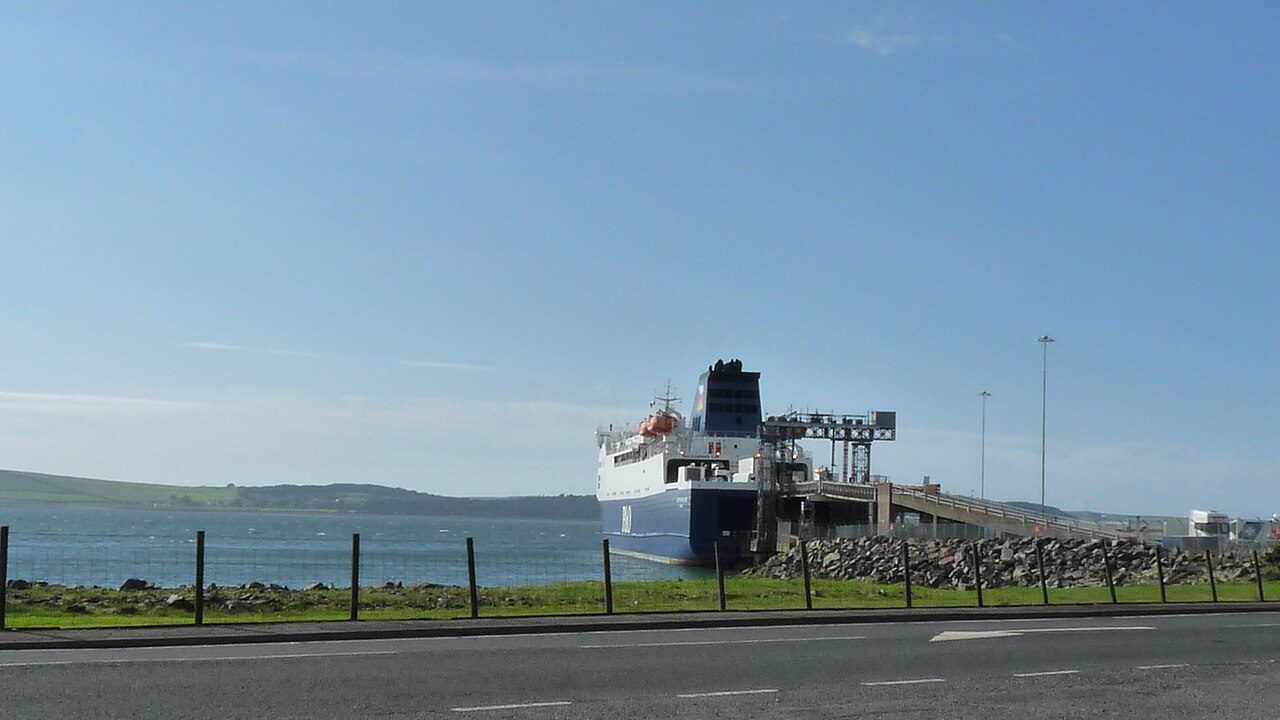
Cairnryan to Belfast is the fastest way to reach Northern Ireland from Britain, at around two hours and 15 minutes, and it is the route to choose if you are coming from Scotland or the north of England. The alternative from Liverpool takes eight hours and lands you in the same city, which tells you most of what you need to know.
Two operators sail from Cairnryan: Stena Line to Belfast and P&O to Larne. The ports are four miles apart and the destinations are 20 miles apart, which matters more than the crossing time.
The two routes from Scotland
Cairnryan to Belfast
Stena runs up to six sailings a day in each direction, with a crossing of two hours and 15 minutes. It is the busiest route on the Irish Sea after Holyhead.
A car with two passengers costs 150 to 260 return. Foot passengers pay 35 to 65 return.
Cairnryan to Larne
P&O runs the same crossing time to Larne, 25 miles north of Belfast. The frequency is similar and the fare is usually 10 to 20 lower.
Larne suits the Antrim coast, the Giant’s Causeway and the road to Derry. Belfast suits the city, the Ards peninsula and the road south.
Comparing with Liverpool
The Liverpool to Belfast service takes eight hours and runs overnight. It is a different product: a cabin, a night’s sleep and an arrival at 06:30.
For a driver coming from the Midlands or the south of England, Liverpool is often the better choice. The drive to Cairnryan from Manchester is 200 miles; to Liverpool it is 35.
For a driver coming from Glasgow or Edinburgh, Cairnryan wins. Glasgow to Cairnryan is 90 miles and the crossing lands you in Belfast by lunchtime.
What the ships are like
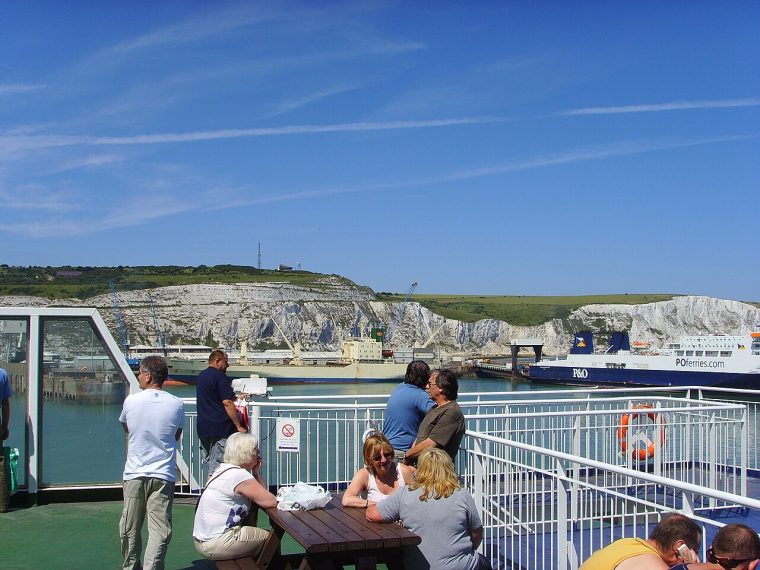
The Cairnryan ships are large conventional ferries with a shop, a cafeteria, a bar and lounges. There is outside deck space and a small quiet area.
Two hours is short enough that a seat is fine and a cabin is unnecessary. The ships are comfortable but not luxurious, and the crossing passes quickly.
Food is standard ferry fare: hot breakfasts, sandwiches, fish and chips, around 10 to 14 for a main. There is a meal deal on some sailings.
Cairnryan port
The port sits on Loch Ryan, eight miles north of Stranraer. The approach is on the A77, which is a single carriageway for the last 20 miles and slow behind lorries.
Check-in closes 60 minutes before departure for cars. The terminal has a large vehicle staging area and the lanes are well organised.
Foot passengers check in at the terminal and board by bus to the ship. There is no railway station at Cairnryan; the nearest is Stranraer, four miles away, with a taxi costing about 12.
Belfast port
Belfast Port, also called Victoria Terminal, is two miles north of the city centre on the M2. The exit puts you directly onto the motorway network.
Border control is minimal on this route because it is a domestic journey within the United Kingdom. There are no passport checks, though photographic ID is required by the operators.
Getting into Belfast is easy by taxi, around 10, or by bus. The terminal is not walkable to the centre with luggage.
Fares and flexibility
Fares are per vehicle and per crossing, not per person, which makes a full car cheap. A solo driver pays the same as a family of four.
Flexible tickets cost 15 to 30 more and allow a free move to another sailing on the same day. On this route that is worth buying, because the A77 and the A75 are both prone to delays.
Foot passenger fares are low and there is no penalty for booking late. A walk-up ticket costs only a little more than an advance one.
The weather question
The North Channel is exposed and the crossing can be rough. Sailing time is short, but two hours of force 7 is two hours.
Cancellations are less common than on the North Sea routes because the ships are large and the passage is short. Delays of 30 to 60 minutes in bad weather are more typical.
If you are prone to seasickness, sit low and midships and stay outside if you can. The crossing is short enough that most passengers manage.
What to do on arrival
Belfast is 20 minutes from the terminal and the Titanic Quarter is closer still. The Antrim coast road starts 15 miles north and is one of the best drives in Ireland.
Dublin is 100 miles south on the M1 and takes about two hours. The border is invisible and there are no checks.
Derry is 70 miles north-west and takes 80 minutes. The road is good and the scenery improves after Ballymena.
Night sailings and freight
Both operators run late departures that arrive after midnight, and these are the sailings freight relies on. Cars are a minority on the 02:00 boat.
The night crossing is cheaper by 20 to 30 percent, and the ship is quiet. If you can sleep in a reclining seat for two hours, it works.
Arriving in Belfast at 01:00 means a taxi into a city where most hotels have closed reception. Check your accommodation before booking the night boat.
Pets and the domestic rules
Because this is a journey within the United Kingdom, pets need no passport, no vaccination certificate and no border check.
They do need to stay in the vehicle or in a designated kennel area. The operators charge about 15 to 20 each way for a dog.
Guide dogs travel in the passenger areas without charge, and the crew will find you a seat with floor space. Tell the operator when you book rather than at the gate.
The crossing is short enough that most dogs manage without a walk, but exercise them before check-in. There is a grass strip beside the terminal car park.
The road to the port is the weak link
The A77 from Ayr is a single carriageway for 30 miles and is regularly held up by lorries and by caravans in summer.
The A75 from Dumfries is worse: 95 miles of single carriageway with lorries, agricultural traffic and few overtaking opportunities.
Allow an extra 45 minutes from either direction. The port is only eight miles from Stranraer, but the last eight miles are not where the delay happens.
What the crossing costs for a family
A car with two adults and two children typically costs 170 to 280 return in summer. The fare is per vehicle, so the children add nothing.
A cabin is unnecessary on a two-hour daytime crossing and costs 30 to 50 if you want one. On the night sailing it is worth the money.
Foot passengers pay 35 to 65 return, and children under four usually travel free. A family of four on foot can cross for under 150 return.
Arriving in Belfast with a plan
The terminal exits onto the M2, and the city centre is ten minutes away. The Titanic Quarter is five minutes away and has parking.
The Antrim coast road starts at Larne and runs to the Giant’s Causeway in about 90 minutes. It is the best reason to take the Larne route instead of Belfast.
Fill the tank before boarding in Scotland. Fuel in Northern Ireland is priced similarly, but the stations near the port are not the cheapest.
The return crossing has one advantage worth planning around: the duty-free shop on board sells at prices that beat the airport, and the allowance is generous on a domestic route.
Which route to book
If you are driving from Scotland, book Cairnryan and choose Belfast or Larne by destination. If you are driving from England, compare the drive to Cairnryan against the longer crossing from Liverpool.
Book the flexible fare on the Scottish route. The roads are the weak link, not the ships, and a 20-minute delay on the A77 can cost you a sailing.
Arrive 75 minutes early. The port is small, but the single carriageway approach is not, and the last eight miles are the ones that catch people out.