Boarding a car ferry: the four checks that decide whether you sail
Boarding a car ferry involves four checks, and every one of them can stop you: the ticket scan, the identity check, the vehicle check...
 Fabrice Dejean8 min readJul 3, 2026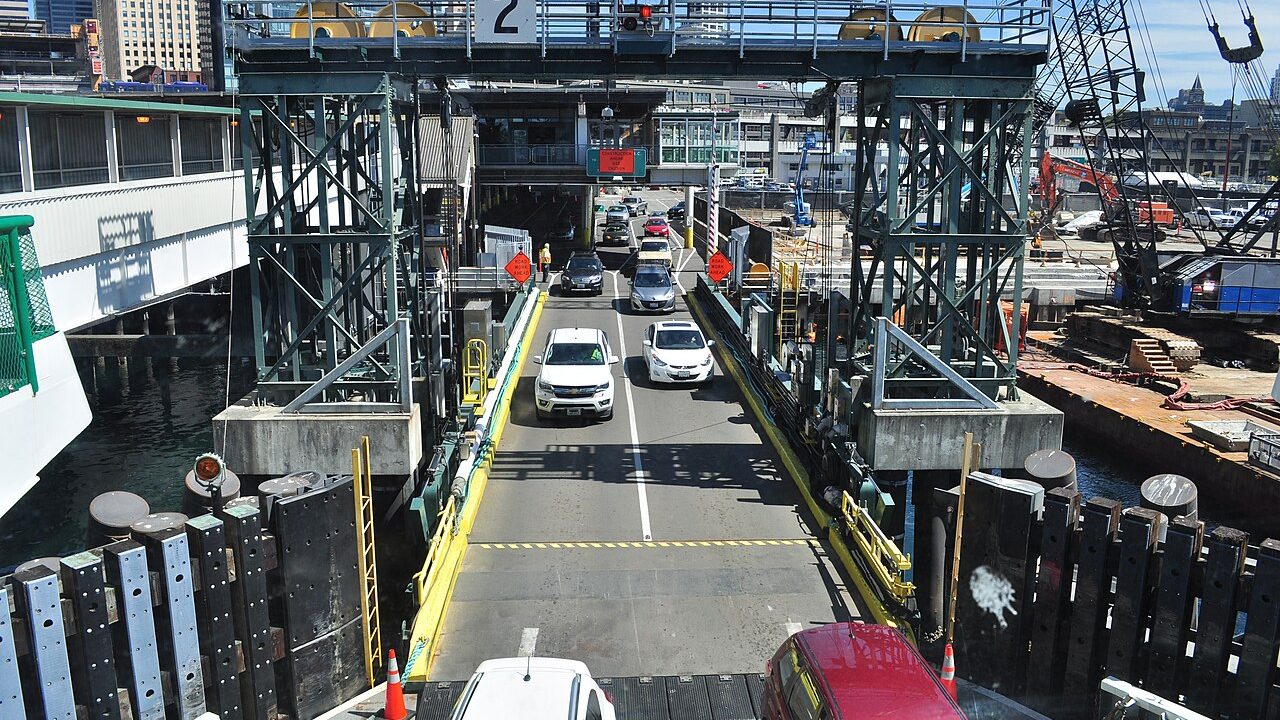
Boarding a car ferry involves four checks, and every one of them can stop you: the ticket scan, the identity check, the vehicle check and the lane assignment. Drivers who prepare for all four board in 15 minutes; drivers who prepare for one spend 40 minutes in the wrong lane.
The sequence is the same at every port in Europe, even though the buildings look different. Knowing the order lets you keep the documents in one place and the answers ready.
Check one: the ticket scan
Your booking reference is scanned at the barrier, usually from a printout or a phone screen. A QR code on a screen works, but a cracked phone does not.
Print the confirmation if you are travelling with children or in winter. Cold hands and a dying battery are a bad combination at a barrier.
The registration on the booking must match the car. If you changed vehicles, update it online before arriving; it takes two minutes and is free.
If the scan fails, you are directed to the ticket office. That adds 10 to 20 minutes and puts you behind everyone who sailed through.
Check two: identity
Every passenger needs a passport on international routes, including infants. National identity cards are accepted on some routes and not others.
The driver’s passport is checked against the booking name. A booking in one name with a different driver is usually fine, but the passenger list must be accurate.
On domestic routes, such as Cairnryan to Belfast, photographic ID is required by the operator even though there is no border check.
Keep the passports in the car, not in the boot. The check happens before the vehicle queue and you will be asked to produce them through the window.
Check three: the vehicle
A staff member looks at the car, sometimes with a measuring gauge, and checks the height, the length and whether anything is attached.
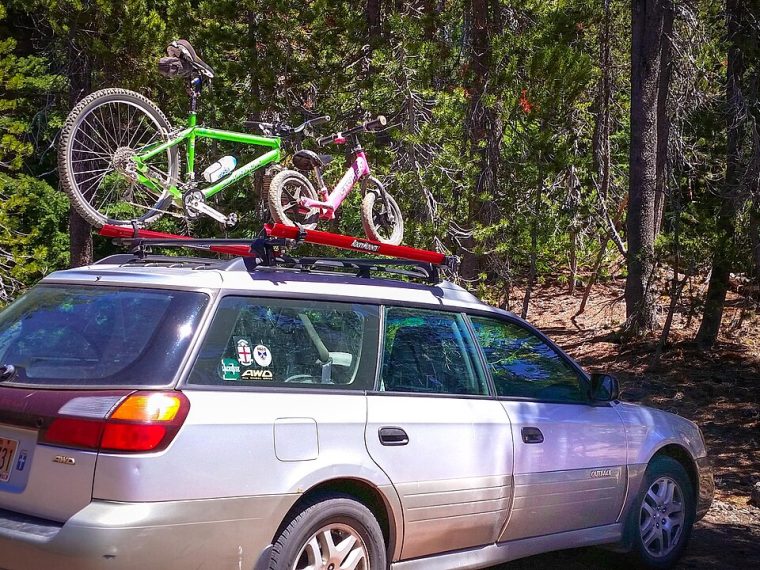
Roof boxes, bike racks, trailers and raised suspensions are the usual reasons a vehicle moves up a category. The check is quick and the surcharge is applied on the spot.
Vehicles with LPG or alternative fuels are asked to display a sticker and may be directed to a specific deck. Some operators refuse LPG vehicles on certain ships.
This is also where a pet is noted and where the animal’s documents are glanced at. Have them ready rather than in a bag in the back.
Check four: lane assignment
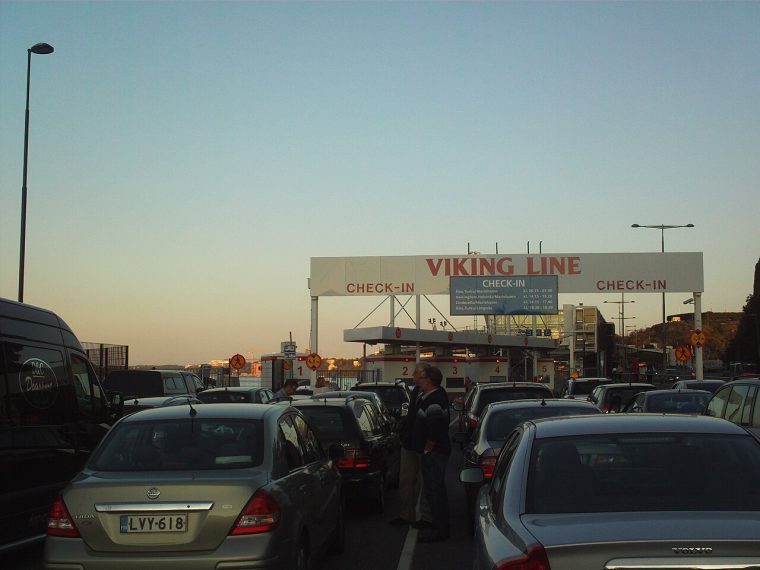
You are sent to a numbered lane, and the lane determines the order of loading. Lane 1 boards first; lane 12 boards last and unloads first.
Stay in the lane and stay in the car unless staff say otherwise. Moving between lanes causes the delays that make everyone late.
Loading starts 20 to 30 minutes before departure. The ramp is steep and the deck hands direct you to a space with hand signals.
Switch off the engine, apply the handbrake, leave it in gear and take the keys. Do not use the handbrake alone on a sloping deck.
What to take up with you
Medication, passports, valuables, a phone charger, children’s entertainment and any food you brought. Everything else stays in the car.
You will not return to the vehicle during the crossing. On a 90-minute hop that is fine; on a 16-hour crossing it matters.
Take a jacket. The deck is cold even in summer, and the walk from the car deck to the passenger areas can be open to the weather.
Take the pet’s water bowl if the animal is in a kennel. The ship provides water but not always a bowl.
Getting back to the car
An announcement calls passengers to the vehicle decks 15 to 20 minutes before arrival. Go promptly, because the stairs get congested.
Note the deck number and the stairwell letter when you park. Cars all look alike after four hours at sea.
Wait for the deck hands to signal before starting the engine. Starting early fills the deck with fumes and slows the unload.
Do not overtake on the ramp. The exit order is fixed by lane, and cutting in causes the accidents that close a port for an hour.
Special cases: trailers, motorhomes and long vehicles
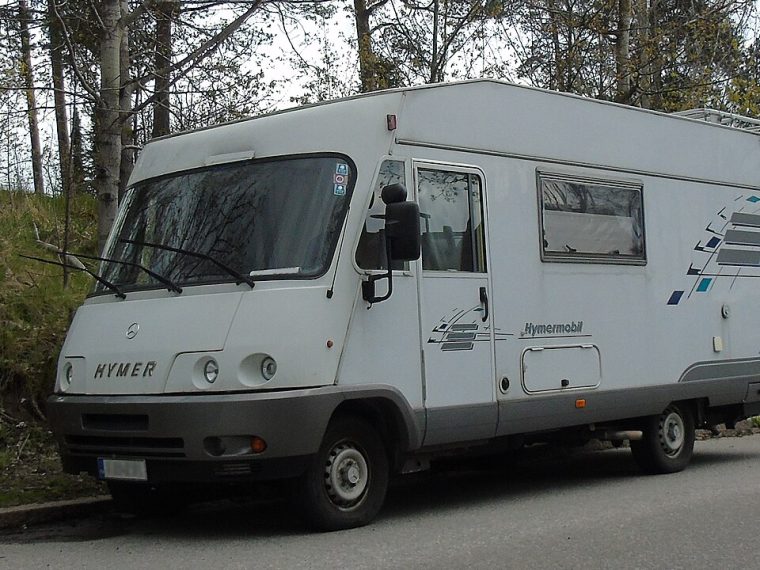
Vehicles over six metres are loaded through a different ramp and often board last. Allow an extra 20 minutes at each end.
Trailers need a straight approach and sometimes a marshal to guide the reverse. If you are not confident reversing, say so at the gate.
Motorhomes with gas cylinders must have the gas turned off at the bottle before boarding, and staff may ask to see it.
These vehicles usually unload first, which is a small consolation for boarding last.
On-board rules that catch people out
Smoking is confined to designated outside areas, and vaping follows the same rules on most operators.
Alcohol bought in the shop cannot be opened on board on some routes. Duty-free purchases are sealed until arrival.
Children must be supervised on the outside decks, and deck access closes in high winds. The announcement is not optional advice.
Foot passengers and cars use different stairwells on some ships. Follow the signs rather than the crowd.
A boarding timeline that works
Arrive 90 minutes before departure. That gives 30 minutes of slack over the 60-minute cut-off, which absorbs a wrong turn or a slow queue.
Clear the ticket barrier within 15 minutes, then the identity and vehicle checks within another 15. The remaining hour is lane waiting.
Use the waiting time for passports back in the glovebox, phones charged and children at the toilet. There are toilets in the terminal but not in the lanes.
Board, park, take what you need and go up. Being on deck early means a seat by the window, which on a full sailing is worth having.
Documents that stop a car at the barrier
The most common stoppage is a passport that expires within three months of the return date. Some countries require six months of validity.
The second is a booking in a name that does not match any passenger. A booking made for a company account needs the driver added.
The third is a pet without the right paperwork. That check happens at the border, not the barrier, but it stops the car all the same.
The fourth is a vehicle registration that changed since booking. It is a two-minute fix online and a twenty-minute delay at the port.
The lane system explained
Lanes are numbered and the numbers determine loading order. Low numbers board first and unload last.
Cars in lane 1 may sit for 40 minutes before the ramp opens. Cars in lane 12 board last and drive off first.
There is no advantage to being in a low lane unless you want to be on board early. There is a real advantage to a high lane if you want to leave quickly.
You cannot choose. The marshal assigns lanes by destination, vehicle height and the ship’s plan.
When the ship is late
Announcements are made in the terminal and, on some ships, by text. The lane is a bad place to wait for information, because you cannot hear it.
If the delay is more than an hour, walk to the terminal and ask. Staff usually know more than the screens.
Stay with the car if the delay is short. Moving out of the lane means losing your place, and the queue does not negotiate.
If the delay means you will miss a connection, tell staff before boarding. Re-routing is easier before the ship sails than after.
What the deck crew expect from you
Follow hand signals, keep walking pace and leave a car’s length between vehicles. The gaps allow the crew to move between rows.
Do not stop to unload the roof box on the ramp. Do it in the lane before boarding, or better, at home.
Turn the engine off as soon as you are parked. Idling on a closed deck fills the space with fumes and the crew will ask you to stop.
Take the key with you. Leaving it in the car is not required by any operator and is a poor idea on a public deck.
If something goes wrong
A failed scan, a missing passport or a mismatched plate all mean the ticket office. Go there immediately rather than arguing at the barrier.
If you are sent to a different lane, take it. The marshals are loading to a plan and the plan is based on where the ship has space.
If the ship is delayed, stay near the car and listen for announcements. The terminal may be a five-minute walk from the lane, and you will not hear the call.
If you are refused boarding, ask for the reason in writing. Refusals are rare, and almost all of them are document problems that could have been fixed an hour earlier.