Booking a ferry with a pet: charges, paperwork and the rules that matter
Taking a dog on a ferry is straightforward if the paperwork is right and awkward if it is not, and the paperwork is checked...
 Fabrice Dejean7 min readJul 13, 2026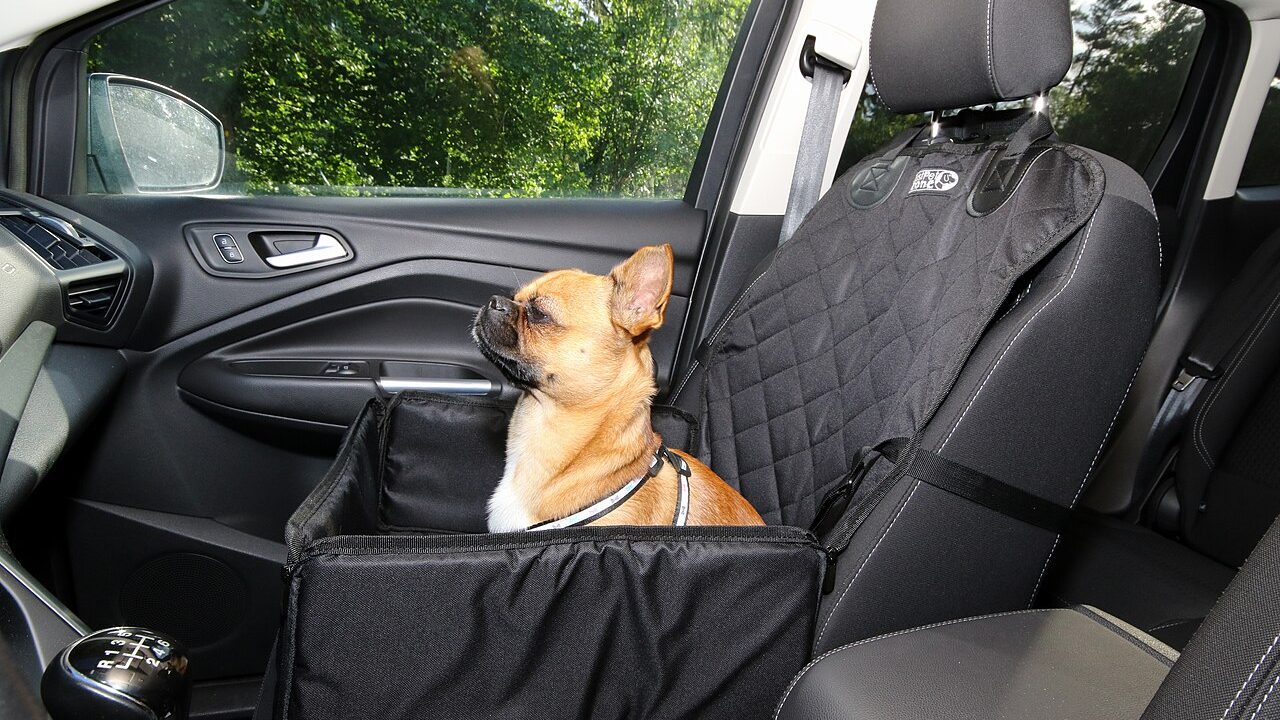
Taking a dog on a ferry is straightforward if the paperwork is right and awkward if it is not, and the paperwork is checked at the border rather than at the ticket desk. A missing tapeworm treatment or an unregistered microchip means the animal does not sail, whatever the booking says.
Charges are modest, 15 to 30 each way on most routes, but the operational rules vary more than the prices do.
The documents for a dog entering the EU
A microchip implanted before the rabies vaccination, a valid rabies vaccination at least 21 days old, and an EU pet passport or a Great Britain pet health certificate.
The passport must be issued by an authorised vet and must show the microchip number, the vaccination date and the vet’s details. Handwritten corrections invalidate it.
Dogs returning to the UK from the EU need a tapeworm treatment given by a vet 24 to 120 hours before arrival. This is the single most common reason a dog is refused at the border.
Pets travelling to Ireland and Northern Ireland
Ireland and Northern Ireland apply the same travel scheme as Great Britain, so the EU pet passport and tapeworm rules do not apply on those routes.
A microchip and a rabies vaccination are still required for entry to Ireland from Great Britain. The rules are enforced at the Irish port, not at the British one.
Because the rules differ by destination, check the route rather than the operator’s generic pet page. The generic page is usually written for France.
Where the animal stays during the crossing
In the vehicle
On many routes dogs stay in the car, with windows left open a few centimetres and the vehicle parked on a ventilated deck. You cannot return to the car during the crossing.
This is fine for a 90-minute crossing and less fine for a 16-hour one. Check the rule before booking a long route.
In a kennel on board
Some ships provide kennels on an open deck, free or for a small charge. They are first come, first served and cannot be reserved on every operator.
Bring a blanket that smells of home and a water bowl. The ship provides water but not bedding.
In a pet cabin
Pet cabins allow the animal to stay with you and cost 30 to 60 on top of a standard cabin. There are usually only a handful per ship.
They sell out months ahead in summer. If you need one, book as soon as the sailing opens rather than waiting for a fare drop.
Which routes accept pets
The short Channel routes accept pets on all sailings, usually in the vehicle. Dover to Calais is the easiest pet crossing in Europe.
The western Channel and North Sea routes accept pets but with more restrictions, and pet cabins are limited. Book the cabin first.
Fast catamarans often accept fewer pets than conventional ships because the vehicle deck is smaller and less ventilated. Check the specific vessel, not the route.
What it costs
Most operators charge 15 to 30 per animal each way. A return trip with two dogs costs 60 to 120, which is comparable to a kennel at home for a week.
Pet cabins add 30 to 60 per crossing. Kennels are often free but cannot be guaranteed.
Assistance dogs travel free and are allowed in passenger areas. Tell the operator at booking so the crew can prepare, rather than at the gate.
Foot passengers with pets
Most operators do not allow pets to cross as foot passengers, because the animal cannot be left in a vehicle that is not travelling.
Where it is allowed, the animal stays in a kennel for the crossing and the owner visits at set times. This is uncommon and route-specific.
In practice, a pet means a car crossing. Plan the trip around that rather than assuming a walk-on ticket will work.
The border check itself
Pet documents are checked at the border control point, which on the French route is on the British side before boarding.
Have the passport open at the vaccination page and the microchip number visible. The officer will scan the chip, so the animal must be accessible.
If the chip cannot be read, the animal is treated as undocumented and turned back. Get the chip checked by a vet before you travel if it has been in place for years.
Keeping the animal comfortable
Exercise before boarding and withhold a large meal for four hours before sailing. Travel sickness in dogs is usually caused by a full stomach.
Bring water, a bowl, a towel and a familiar blanket. Do not sedate the animal without veterinary advice, because sedation interferes with temperature regulation on a vehicle deck.
On a long crossing, book a pet cabin. Sixteen hours in a car is a welfare problem, not an inconvenience.
What happens if the crossing is delayed
A delay of two hours in a vehicle is manageable. A delay of six hours is not, and the port will usually allow the owner to walk the dog in a designated area.
Ask staff rather than assuming. Most terminals have a grass strip or a designated exercise area, and most staff will direct you to it.
Carry more water than you think you need. Vehicle decks get warm in summer even when the weather is mild.
Cats and other animals
Cats travel under the same documentation rules as dogs on EU routes, including the microchip and rabies requirements. The tapeworm rule applies only to dogs.
Most operators require cats to stay in a carrier for the whole crossing. Some allow them in pet cabins, some do not.
Ferrets and rabbits are accepted on a few routes and refused on most. Check the operator’s animal list rather than assuming dogs are the only case.
Birds and reptiles are generally refused outright on passenger sailings. If you are moving house with them, a specialist pet transport service is the realistic option.
Kennels versus cabins, worked
Two adults, one dog, Portsmouth to Caen overnight. A standard cabin plus a kennel costs 120 plus 20: 140.
A pet cabin costs 160 to 190 and the dog sleeps in the room. The difference is 20 to 50 for a much easier night.
On a 90-minute Channel crossing, the kennel or the car is fine and a pet cabin does not exist on most ships.
On a 16-hour North Sea crossing, a pet cabin is close to essential. Sixteen hours in a vehicle is not a reasonable option for most dogs.
Pet-friendly stops near the ports
Dover and Folkestone have a ring of pet-friendly hotels and guest houses, and most accept dogs for a small charge.
Calais and Dieppe have fewer options in the town centre, but the outskirts have chain hotels that accept pets without fuss.
Portsmouth and Newhaven both have dog-friendly pubs within a mile of the terminal, which is useful before a night sailing.
Book pet-friendly accommodation at the same time as the ferry. The supply is small and it disappears first in summer.
Common refusals at the border
The most common is a rabies vaccination given before the microchip was implanted. The vaccination is then invalid and must be repeated.
The second is a tapeworm treatment given too early or too late for the return leg. The window is 24 to 120 hours, and a vet stamp outside it is refused.
The third is a pet passport issued in a country the border does not accept for that route. Re-issuing takes days, not hours.
Check every date against the rule a week before travel. Finding a problem at the port means cancelling the crossing, not fixing it.
The booking checklist
Confirm three things at booking: that the sailing accepts pets, where the animal will stay, and whether a pet cabin is available.
Then confirm the documents for the destination, not just for the outbound country. The return leg has different rules from the outbound one.
Finally, arrive earlier than you would without a pet. The document check adds ten to fifteen minutes, and it happens before the vehicle queue.