Crossing the Channel in winter: weather, timetables and flexibility
A winter Channel crossing is cheaper, quieter and more likely to be disrupted, and the sensible approach is to book the earliest sailing of...
 Fabrice Dejean7 min readJun 8, 2026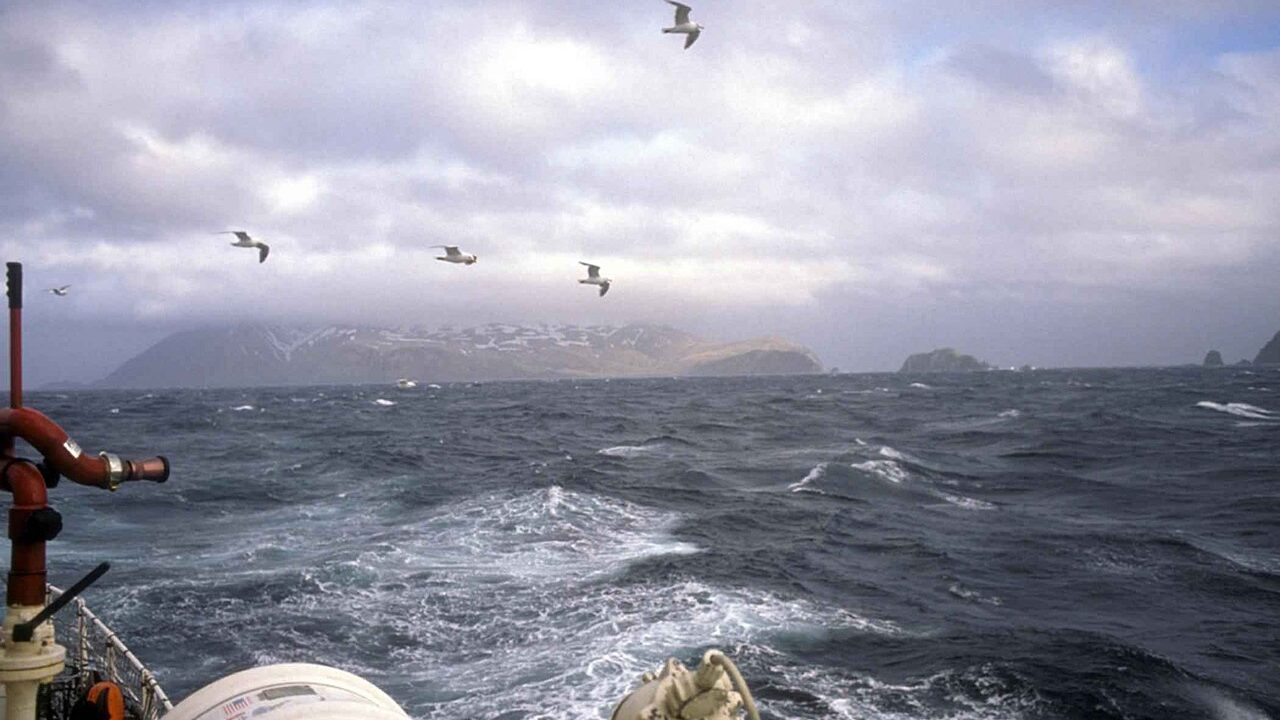
A winter Channel crossing is cheaper, quieter and more likely to be disrupted, and the sensible approach is to book the earliest sailing of the day on a flexible fare. That combination costs 20 to 40 more than the cheapest ticket and saves a day when the weather turns.
Fares fall by 25 to 40 percent between November and March, which is why the off-season is popular with drivers who have no fixed dates. The trade is reliability.
What the weather actually does
Gales in the Channel are common from November to March, and they cancel sailings on the exposed routes first.
Dover to Calais is the most robust crossing because the ships are large and the passage is short. It rarely closes for more than a few hours.
Portsmouth, Poole and Plymouth routes are more exposed, and the western Channel takes the worst of it.
Fog is the other hazard. It closes ports for a few hours and affects both sides at once, which is harder to plan around than wind.
The winter timetable
Sailings drop by 30 to 50 percent between October and March, and some routes stop entirely.
Fast craft stop for the season on most routes. The conventional ferries keep running.
The last sailing of the day is earlier, often by two or three hours, which changes the planning more than the frequency does.
Check the date-specific timetable rather than the summary. The winter table is published in the autumn and changes again in spring.
Should you book flexibly
A flexible fare costs 25 to 45 percent more and allows free amendments up to departure. On a winter crossing, that is usually worth it.
If you travel on a saver fare and the sailing is cancelled, you are still entitled to a refund or re-routing. Flexibility is about your own changes, not the operator’s failures.
The case for flexibility is when you want to move because of a forecast, before the operator cancels.
The case against is when your dates are fixed by work or family. Then insurance is the better buy.
The tunnel as a winter alternative
The Channel Tunnel does not close for weather, which makes it the reliable option between December and February.
It costs 30 to 80 more than a ferry return in low season, and it saves 80 minutes each way.
For a winter crossing with a fixed appointment, the tunnel’s premium is usually justified.
For a winter holiday with flexible dates, the ferry’s saving is real and the risk is manageable.
Choosing the sailing within the day
Book the earliest departure you can reach. If it is cancelled, you still have the rest of the day.
A late afternoon sailing leaves no alternative if the weather closes in during the morning.
On a route with two sailings a day, take the first and accept the early start.
This single decision is worth more than any other in winter planning.
What to carry in the car
A blanket, warm clothes, water and snacks. Port delays in winter can last hours and the car is the only shelter.
A phone charger and a power bank. The port’s charging points are few and occupied.
De-icer and a scraper, even if you are only crossing to France. The car sits on an open deck and frosts over.
Snow chains if you are driving beyond the coast. They are legally required in some areas after November.
Driving in winter conditions
French and Belgian motorways are gritted and generally clear, but secondary roads in Normandy and the Ardennes are not.
Winter tyres are compulsory in some European countries between November and March, and all-season tyres are not always accepted.
Headlights, a warning triangle and a hi-vis vest are legally required in France and Germany.
Check the rules for every country on your route, not just the first one.
Cancellations and rebooking in practice
Operators announce cancellations 12 to 24 hours ahead when a forecast is clear, and at the port when it is not.
Register a mobile number at booking. The text message is faster than the website and much faster than the terminal announcement.
Rebooking is free when the operator cancels, and you can usually choose a later sailing or a refund.
On a thin route, the next sailing may be two days later. That is the real risk of winter travel on the western Channel.
Overnight crossings in winter
An overnight crossing in a force 8 is an unpleasant experience, even on a large ship.
Book a cabin low and midships and take medication before departure rather than after.
If the forecast is severe, ask to move to a daytime sailing. Operators usually agree rather than deal with a ship full of sick passengers.
Winter overnight fares are much cheaper than summer, which is some compensation for the motion.
What the ports are like
Winter ports are quiet, the queues are short and the cafés close early.
Dover operates 24 hours and the terminal is warm. Portsmouth and Poole are quieter and some facilities close at 20:00.
Parking is easier and cheaper, and hotels near the ports drop their rates by 30 to 50 percent.
The trade-off is that nothing is open when a night sailing is delayed by four hours.
Cheaper hotels and quieter destinations
Off-season hotel rates in Normandy, Brittany and the Low Countries fall by 30 to 60 percent.
Museums, restaurants and attractions are open but on reduced hours, and some close entirely in January.
Coastal towns are empty, which is either the point or a disappointment depending on expectations.
Christmas markets in Belgium, Germany and Alsace are the exception. They are busy and the ferries fill on weekends in December.
Christmas and New Year
The week before Christmas and the first week of January are the busiest winter periods on the Dover route.
Fares rise to near-summer levels on those dates, and the port is congested with freight and shopping traffic.
Book early and expect the border queue to be longer than the sailing.
Between 27 December and 2 January the roads are quiet but the ferries are full. It is a strange combination.
Vehicle checks before a winter crossing
Tyres, battery, lights and washer fluid. A cold snap exposes a weak battery faster than anything else.
Check the spare tyre and the jack. A puncture on a French motorway at night is a bad place to discover a missing wrench.
Top up the screen wash with a winter mix. Water freezes in the pipes and the reservoir splits.
Fill the tank before the port. Fuel is cheaper in France but the first station may be 20 miles inland.
Pets in winter
Vehicle decks are cold and the crossing is longer in the dark. A dog in a car needs a blanket and ventilation.
Pet cabins are warmer and worth booking on overnight crossings.
The tapeworm treatment for the return leg must be given by a vet within 24 to 120 hours of arrival. Plan the appointment before you travel.
Winter is a better season for pets in one respect: the car does not overheat on the deck.
Ferry or tunnel in a winter storm
When a force 9 is forecast, the tunnel is the only crossing that is certain to run. The ferry will cancel, and the rebooking may be two days away.
The tunnel costs 30 to 80 more in low season, which is less than a hotel night near the port.
If your trip has a fixed appointment, book the tunnel and stop thinking about it.
If your trip is flexible, book the ferry and take the saving, because a two-day delay is only a problem when someone is waiting for you.
What to check before you book
The winter timetable for your route, which may have fewer sailings and an earlier last departure.
Whether the fast craft runs. On most routes it does not.
The cancellation terms and the amendment fee, because you may need both.
The weather forecast for the week, which is unreliable beyond five days but useful for choosing a day.