Ferry food: eating on board without paying restaurant prices
Ferry food is 30 to 40 percent above port prices and ranges from decent to institutional, and the smart move is to eat before...
 Fabrice Dejean7 min readJun 22, 2026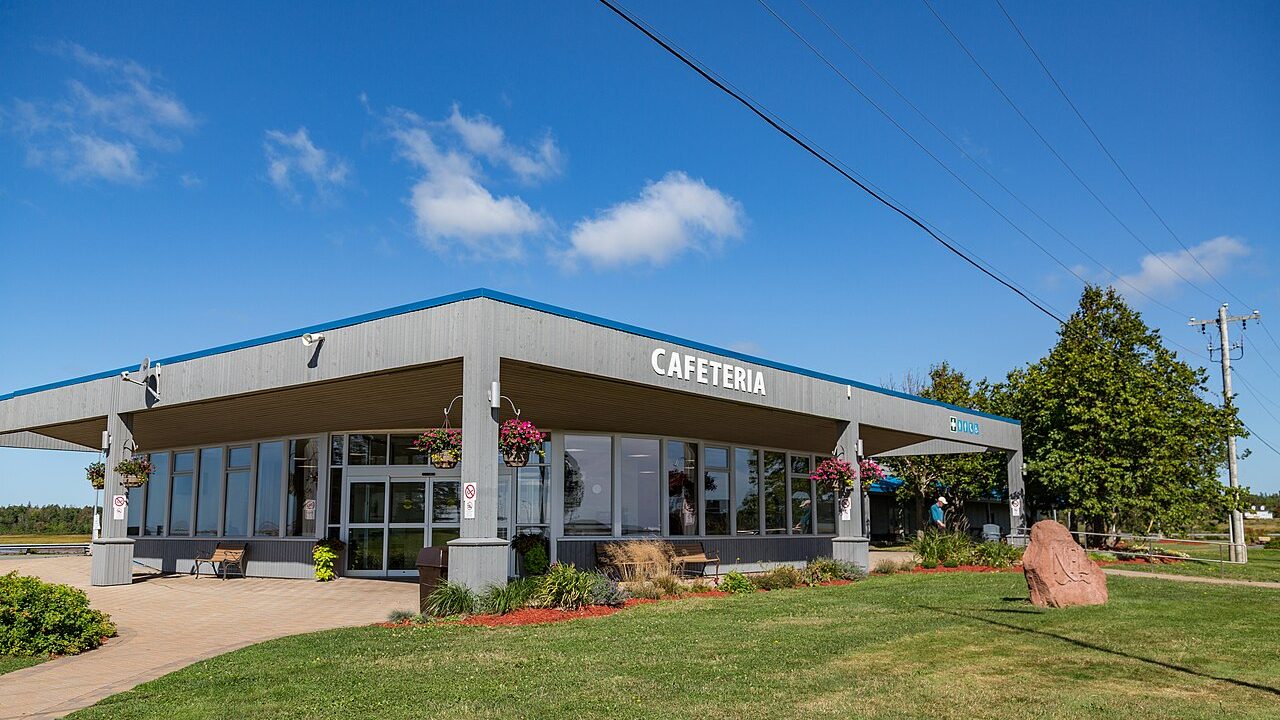
Ferry food is 30 to 40 percent above port prices and ranges from decent to institutional, and the smart move is to eat before boarding or bring your own. On a long crossing, one cooked meal on board is worth the money; on a short one, nothing on the ship is.
The economics are simple: a family of four eating twice on a return crossing spends 120 to 160, which is more than the fuel for the drive to the port.
What the ships actually serve
Short crossings have a café or a kiosk: sandwiches, pastries, chips, hot drinks. Quality is variable and the queue is long at peak times.
Long crossings have a self-service cafeteria and a sit-down restaurant, plus a bar and sometimes a coffee shop.
Large cruise ferries on the Baltic and North Sea have buffets, which are the best value on board.
The Isle of Wight and Solent ferries have little beyond a coffee machine, because the crossings are too short.
Prices, roughly
Sandwich: 5 to 8. Hot main course: 12 to 18. Breakfast: 10 to 14. Coffee: 3 to 4. Bottled water: 2 to 3.
Restaurant main course: 18 to 28. Buffet on a Baltic ferry: 25 to 40 per person.
Children’s portions are usually available and cost 60 percent of an adult meal.
A meal deal exists on some operators and saves 2 to 4 on a sandwich and a drink.
The cafeteria versus the restaurant
The cafeteria is faster, cheaper and open longer. The restaurant is quieter, slower and better.
On an overnight crossing, the restaurant is worth booking for dinner. It gives the evening a shape.
The cafeteria is the right choice for breakfast on a morning arrival, when speed matters more than quality.
Both close at set times, which are usually announced once and missed by everyone.
Bringing your own food
Allowed on all operators and normal on most routes. There is no rule against eating your own sandwiches in the lounge.
Some operators ask that you do not consume your own alcohol in public areas. Food is not restricted.
A cool bag with sandwiches, fruit and drinks saves 40 to 60 for a family of four.
Hot food brought on board is fine on short crossings and less practical on long ones.
Eating before boarding
Ports have cafés on both sides, and prices are lower than on the ship by about a third.
Dover, Portsmouth and Holyhead all have cafés within walking distance of the terminal.
Calais has Cité Europe five minutes away, with restaurants and a supermarket.
Eating ashore is the single easiest saving on a ferry trip, and it takes 30 minutes.
Breakfast on an overnight crossing
Breakfast service starts 90 minutes before arrival, which on a 06:30 landing means 05:00.
It is included in some cabin fares and charged 10 to 14 in others. Check before ordering twice.
The queue at 05:45 is long and the food is institutional. A croissant from the café is often enough.
If you are driving far after arrival, eat properly. A proper breakfast is cheaper than a service station stop two hours later.
Dietary requirements
Vegetarian options exist on every route, usually one or two dishes in the cafeteria.
Vegan options are rare and often limited to a salad or a soup. Bring your own if it matters.
Gluten-free options are limited and the staff are not always informed about ingredients.
If you have a serious allergy, bring your own food. Ferry catering is not set up for it.
Children and food
Children’s menus exist in the cafeteria, and the portions are smaller versions of adult food.
Bring snacks regardless. The gap between boarding and eating is longer than children expect.
Avoid fizzy drinks before a crossing if anyone is prone to seasickness.
Plain food is better on a rough day: bread, crackers, bananas and water.
Alcohol on board
Bars are open on most crossings over two hours, and prices are 20 to 40 percent above port prices.
Alcohol bought in the shop cannot be consumed on board on most operators. It is sealed until arrival.
On Baltic and North Sea routes, the bar is a major part of the experience and the prices reflect it.
Drink lightly before driving off. The limit in most European countries is lower than the UK’s.
Water and hot drinks
Tap water is drinkable on board and free. Ask at the café rather than buying bottled water.
Hot water for tea, formula or instant noodles is usually available on request.
Coffee is 3 to 4 a cup and is better in the café than from the machine.
Bring a refillable bottle and fill it before boarding. Ports have fountains.
Food on the return leg
The same rules apply, but the shops on the French side are better and cheaper than the ship.
Buy cheese, bread and fruit in France and eat on the crossing. It is the best-value meal of the trip.
Remember the UK import restrictions: dairy and meat cannot come back, so eat it before arrival.
Wine and beer can come back within the allowance, but not open on board.
What to do on a very long crossing
Book a cabin and eat in the restaurant once. The rest of the time, use the cafeteria or your own food.
Buffets are the best value on Baltic and North Sea ferries, at 25 to 40 for unlimited food.
Breakfast is usually the best meal on board and dinner the most expensive.
Bring fruit and snacks for the hours when nothing is open. Kitchens close between services.
Budget arithmetic
Family of four, Dover to Calais return, eating on board twice each way: 120 to 160.
Same trip with a picnic bought in a supermarket: 30 to 40.
Family of four, Portsmouth to Caen overnight, restaurant dinner and breakfast: 130 to 170.
Same trip with cafeteria dinner and own breakfast: 60 to 80.
Food on a ferry with a long crossing
On a 16-hour crossing, food becomes part of the day rather than an interruption. Plan two meals and one long breakfast.
The restaurant is worth booking for dinner on the first evening. It gives the crossing a structure and a reason to change for dinner.
The cafeteria is better for lunch, when speed matters and nobody wants a three-course meal.
Bring fruit and biscuits for the in-between hours. Kitchens close between services and the gap is long.
Local food at the ports
Eating ashore is the best-value option on every route, and it is also the most interesting.
Calais has good bakeries and a hypermarket. Dieppe has a market on Saturdays. Hook of Holland has a handful of fish restaurants near the terminal.
A meal in port costs 60 to 70 percent of the on-board price for better food.
Allow 45 minutes. It is the best 45 minutes you will spend on the trip.
Food and seasickness
Plain food is better than rich food on a moving ship. Bread, rice, bananas and crackers are the standard advice.
Avoid heavy sauces, fried food and anything with a strong smell, which is most of the cafeteria menu.
Ginger in any form has weak evidence behind it and no downside. Ginger biscuits are the traditional remedy.
Do not skip meals entirely. An empty stomach makes nausea worse, not better.
Food for a specific diet
Ferry catering is not set up for allergies, and the staff are not always able to confirm ingredients.
Vegetarian dishes exist on every route; vegan and gluten-free options exist on very few.
If the diet matters, bring your own food. It is allowed, and it removes the uncertainty entirely.
Tell the restaurant at booking if you have a serious allergy. On a long crossing, they can usually prepare something plain.
What to check before you board
Whether breakfast is included in your cabin fare.
Whether the restaurant takes bookings and when it opens.
The food import rules for the country you are entering.
Whether the ship has any food at all, which on short Solent crossings may be a coffee machine.