Foot passenger or car ferry: which ticket is cheaper once transfers are counted
For one person on a short crossing, the foot passenger ticket is almost always cheaper; for two or more people with luggage, the car...
 Fabrice Dejean7 min readJun 20, 2026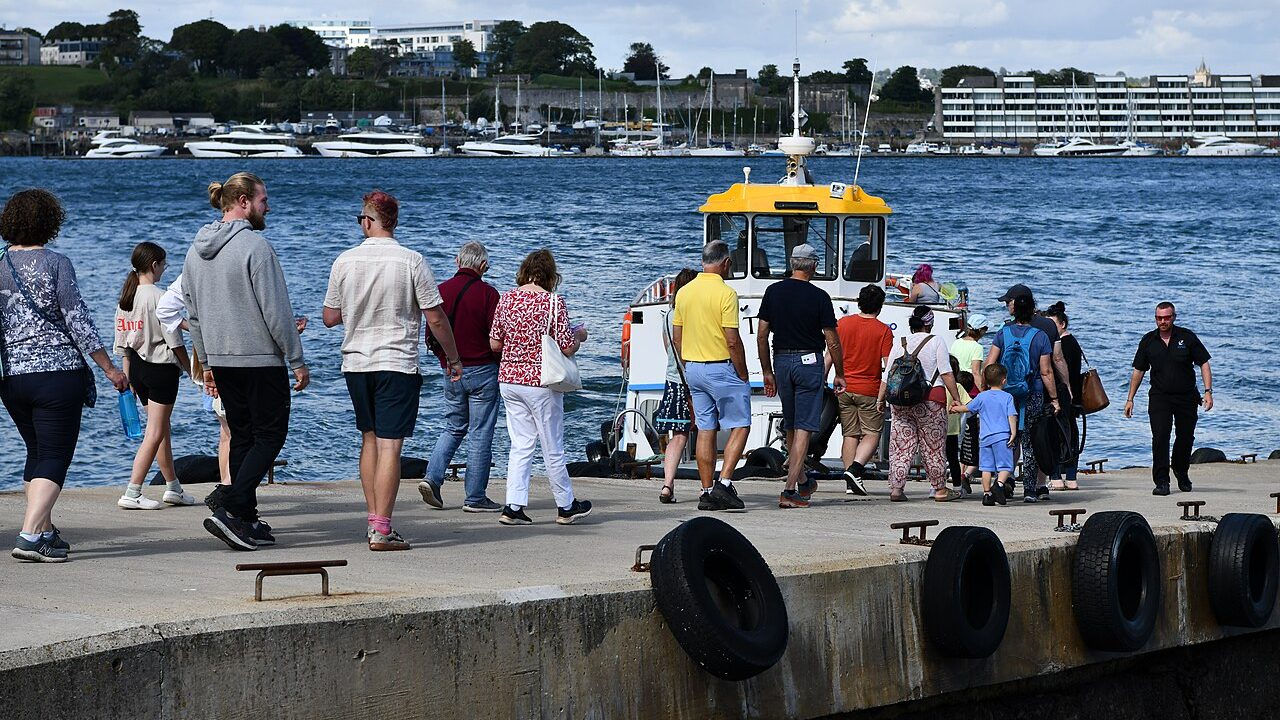
For one person on a short crossing, the foot passenger ticket is almost always cheaper; for two or more people with luggage, the car usually wins. The crossover point sits at about two passengers on a short route and three on a long one, and it moves with parking costs at the British end.
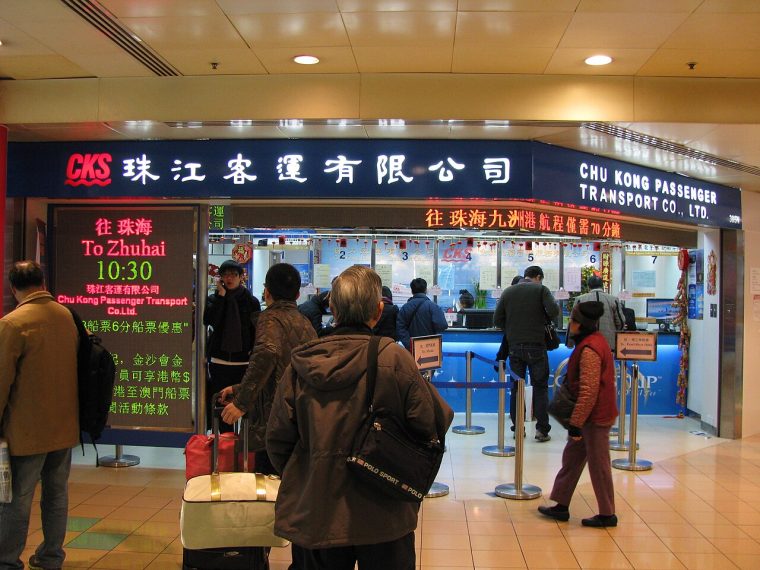
The comparison people make is wrong in a consistent way: they compare the ferry fare and forget the parking, the taxi, the transfer bus and the extra hour at each end.
The raw fare gap
On Dover to Calais, a foot passenger return costs 30 to 50. A car with one driver costs 90 to 150.
On Portsmouth to Caen, a foot passenger return is 60 to 110 and a car is 200 to 320 before the cabin. The gap widens on longer routes because vehicle space is the scarce resource.
On Irish Sea routes the gap is narrower. Foot passengers pay 35 to 65 return and cars 150 to 260, which is a ratio of about four.
What the foot passenger still has to pay for
Getting to the port
Dover Priory station is a 20-minute walk or a short taxi from the terminal, and trains from London take about an hour and 15 minutes.
Portsmouth Harbour station is beside the Isle of Wight catamaran but not beside the Continental Ferry Port, which needs a taxi of 10 to 15.
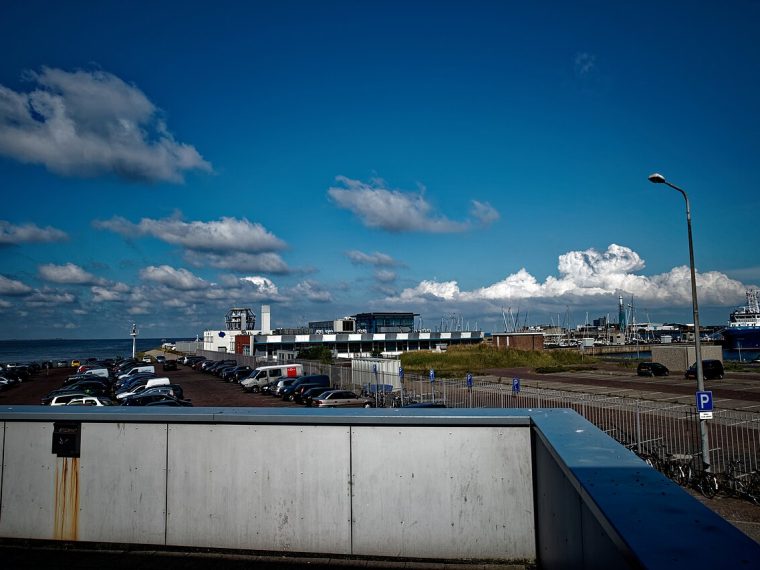
Holyhead, Harwich and Cairnryan have stations close enough to walk; Newhaven and Portsmouth do not.
Parking, if you drive to the port anyway
Long-stay parking at a ferry port costs 8 to 15 a day. A two-week trip adds 110 to 200, which is the entire saving on a car ticket.
Airport-style meet-and-greet parking exists at Dover and Portsmouth and costs more. The cheapest option is usually an off-site car park with a shuttle.
Transfers at the far end
Calais port to the town centre is a bus or a taxi of 10 to 15. Dieppe and Cherbourg are walkable, which makes them better foot ports.
Dublin port to the city centre is a 15 to 20 taxi, and there is no tram. Rotterdam and Amsterdam are better connected from Hook of Holland and IJmuiden.
What the car passenger saves
A car carries four people and their luggage for one fare. That is the whole argument, and it wins whenever the party is two or more.
A car also removes the transfer costs at both ends, which are 20 to 50 each way in taxis and buses for a family.
And it removes the walk. On a winter crossing with children, that is worth more than the money.
The cases where foot genuinely wins
A solo city break to Amsterdam, Dublin or Paris, with no need to move around at the far end.
A crossing where the destination port is in the town, such as Dieppe, Cherbourg or Hook of Holland, and the trip is short.
A trip where the car would sit idle for a week. Parking at home or at the port is cheaper than shipping a vehicle across and back.
The cases where the car genuinely wins
Two or more people, any luggage, and any destination beyond walking distance of the port.
Any trip involving children, car seats, a pushchair or a cool box. The logistics of a foot crossing with a family are punishing.
Any trip where you plan to visit more than one place. Rental cars at the far end cost 40 to 80 a day and erase the saving within three days.
The bicycle and motorcycle middle ground
Bicycles usually cross free or for a nominal charge, and they board first. For a solo traveller going 20 miles from the port, a bike beats both options.
Motorcycles pay a car-like fare on some routes and a reduced one on others. On the Channel it is roughly 60 percent of a car fare.
Both are loaded separately and both need to be at the port earlier than a car in some ports. Check the boarding instructions rather than assuming.
The luggage rules that surprise foot passengers
Foot passengers can carry what they can physically move. There is no weight limit as such, but there is no assistance either.
Trolleys are available at most terminals and must be returned before boarding. Some ports charge a deposit or a coin.
Bulky items such as surfboards, golf bags and bicycles need to be declared at booking. Turning up with them unannounced can mean a freight charge at the gate.
A worked comparison
Two adults, four nights in Normandy, travelling from London. Foot: return tickets 140, train to Portsmouth 60, taxi 25, taxi at Caen 30, car hire for four days 180. Total 435.
Car: return fare with cabin 280, fuel 90, parking at home included, no hire. Total 370, with door-to-door flexibility.
The car wins by 65 and saves about three hours of connections. The same trip with one adult would reverse the result: 250 on foot against 330 by car.
The two-person crossover, worked
Two adults, Dover to Calais, a long weekend. Foot return is 80 for two, plus 40 of parking, plus 30 of taxis at both ends: 150.
The car return is 130, plus 40 of fuel and tolls: 170. The gap has closed to 20, and the car carries the luggage and the wine.
Add a third person and the foot option rises to 120 in tickets while the car stays at 170. From that point the car wins on every short route.
On long routes the crossover moves later, because the car fare rises faster than the foot fare. Portsmouth to Caen crosses over at about three people.
Luggage and the walk-on reality
Foot passengers carry everything themselves, up ramps and along piers. There is no baggage handling on a ferry, unlike an airport.
A wheeled case is manageable; two suitcases, a rucksack and a cool bag is not. Travelling with children on foot means carrying their luggage too.
Trolleys are available at most terminals but must be returned before boarding, which means a final walk with everything in your hands.
This is the argument that never appears in a price comparison, and it is the one that decides most family trips. It also decides whether the crossing is a pleasant start to a holiday or an hour of carrying things badly.
When renting at the far end reverses the maths
Car hire in France or the Netherlands costs 40 to 80 a day in summer, more for an automatic and more for a one-way rental.
Three days of hire costs 120 to 240, which exceeds any saving on the ferry fare. A week of hire makes the car crossing cheaper outright.
Hire also adds a deposit hold on your card, a fuel policy to manage and a queue at the desk after a night crossing.
If you need a car at the destination, take your own. The only exception is a city break where the car would sit unused.
Bicycles as the third option
A bicycle usually crosses free or for 5 to 15, boards before vehicles and leaves the port immediately.
For a solo traveller going 20 miles or less from the port, a bike is faster than the bus and cheaper than the taxi.
Long-distance cyclists use the North Sea and Channel routes as touring links, and most terminals have racks and a separate boarding lane.
Book the bike at the same time as the ticket. Turn up with one undeclared and you may be charged a freight rate at the gate.
On the Dutch and German routes, bikes come off the ship ahead of cars, which puts you on the road before the queue forms at border control.
How to decide in five minutes
Count the people. If it is one, price the foot option first and add 60 for transfers and parking.
If it is two or more, price the car and divide by the number of people. The per-person figure usually settles the argument.
Then check whether the port is walkable at the far end. If it is not, and you have no car, add the taxi and the rental before deciding.