Greek island ferries: booking, deck class and the fast boat premium
Greek island ferries are frequent, cheap and complicated, and the complication is the booking system rather than the sea. Conventional ferries, high-speed catamarans and...
 Fabrice Dejean7 min readJul 4, 2026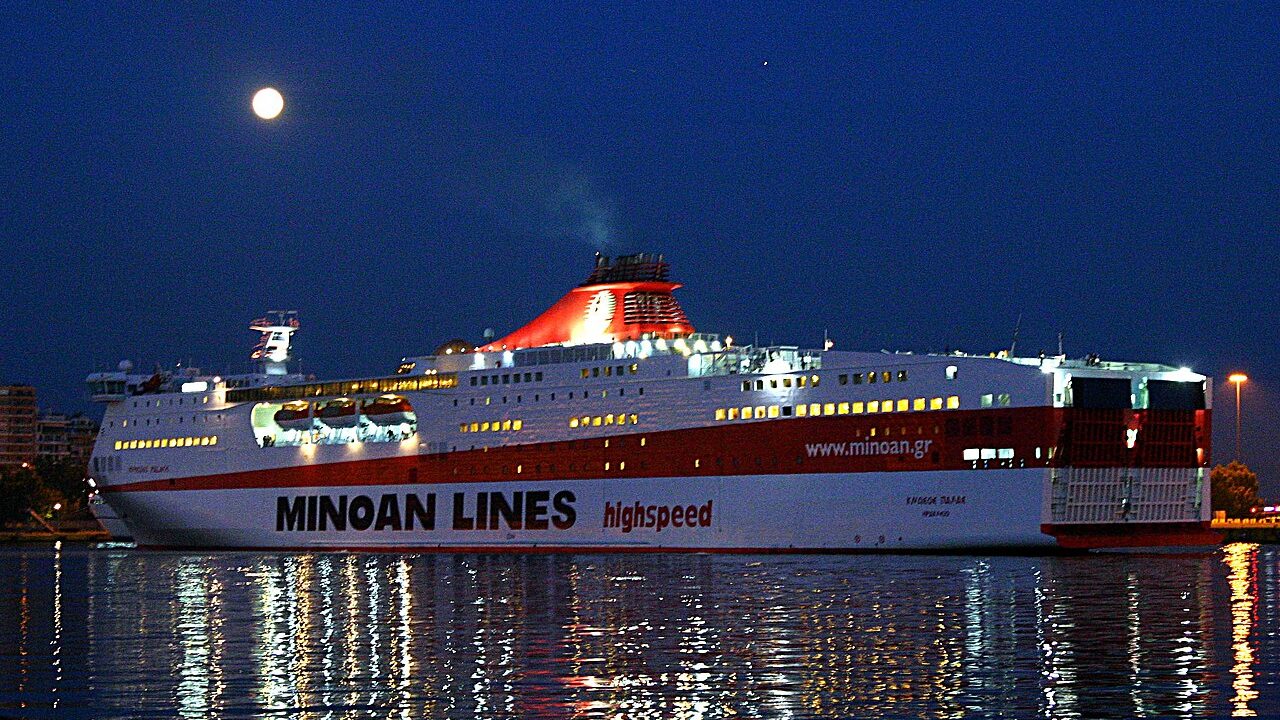
Greek island ferries are frequent, cheap and complicated, and the complication is the booking system rather than the sea. Conventional ferries, high-speed catamarans and small local boats all serve the same islands under different rules and different prices.
The single most useful distinction is between the conventional ferry, which carries cars and takes its time, and the high-speed vessel, which carries fewer vehicles and charges 30 to 60 percent more.
The three kinds of vessel
Conventional ferries are large, slow and cheap, with vehicle decks, deck class seating and cafeterias. They are the backbone of the network.
High-speed catamarans and monohulls cut crossing times by 30 to 50 percent and charge accordingly. They carry fewer cars and cancel in wind.
Small local boats, often called kaiki, serve short hops between neighbouring islands and take passengers only. They are cheap and unscheduled in the formal sense.
Knowing which one your route uses decides the fare, the luggage rules and whether your car can come.
Booking in practice
Book online for the big operators, particularly in July and August. The popular routes sell out days or weeks ahead.
Booking opens about three to six months ahead for the summer season. The schedule itself is published later, sometimes only in spring.
Greek ferry websites are functional and occasionally unreliable. Book through an agent if the operator’s site fails, but expect a booking fee.
Print the ticket or keep it offline. Port wifi is unreliable and the barcode needs to be scanned at the gate.
Deck class and the seating hierarchy
Deck class is the cheapest ticket: you sit wherever there is space, inside or out. It is perfectly comfortable on a calm day and miserable in a meltemi.
Reserved seats cost 5 to 15 more and guarantee a place in a numbered lounge. On long crossings, they are worth it.
Cabins exist on the long overnight routes from Athens to Crete, Rhodes and the eastern islands. They cost 40 to 120 and sell out first.
First class and business class exist on some ships and buy quieter lounges rather than better seats.
The fast boat premium
A high-speed crossing from Athens to Mykonos takes about three hours against five on a conventional ferry, and costs 60 to 90 against 40 to 55.
The premium is worth it on a short holiday and not worth it on a long one. Two hours saved is a real gain when you have five days; it is nothing when you have three weeks.
Fast craft also cancel in wind above force 6, which the conventional ferries often ignore.
If your itinerary has a fixed flight home, the conventional ferry is the safer booking.
Cars and the vehicle rules
Cars are carried on conventional ferries and on some larger high-speed vessels. Small fast craft are passenger-only.
Vehicle space is limited in August and must be booked. Turning up with a car without a reservation is a gamble that often fails.
Motorhomes and campervans are carried on conventional ferries and need to be declared by length.
Fuel is not available on board, and vehicles are loaded in a specific order. Follow the marshals rather than the crowd.
The meltemi and summer cancellations
The meltemi is a north wind that blows through the Aegean in July and August, often for three to five days at a time.
It cancels high-speed services and delays conventional ones. Ferries to the Cyclades are the most affected.
Operators reschedule rather than refund, and the next available sailing may be two days later.
Build a spare day into any island-hopping itinerary in high summer, and book the return leg with a buffer before your flight.
Ports and the boarding process
Greek ports are chaotic in August. Vehicles queue in the road outside, passengers crowd the gate, and the ship may arrive late and leave immediately.
Boarding usually starts 30 to 45 minutes before departure for passengers and earlier for vehicles.
Luggage is carried by hand up the ramp and stored on racks. There is no baggage handling.
A ticket check happens at the gate and again on board. Keep the ticket accessible for the first hour.
Food and drink on board
Conventional ferries have cafeterias serving hot food, and the quality is decent for the price. Expect 8 to 14 for a main course.
High-speed vessels have a small bar with sandwiches and coffee, and prices are higher.
Bringing your own food is normal and accepted. Most Greek passengers do exactly that.
Water is essential in summer. Carry more than you think you need for a deck-class crossing.
Island hopping logistics
The classic route runs from Athens to the Cyclades and back, using conventional ferries for the longer legs and small boats for the short hops.
Inter-island ferries are less frequent than the routes from Athens and often run every second day.
Booking every leg in advance is safer in August and less flexible in June. The trade-off is real.
Some island pairs have no direct connection and require a change at Naxos, Paros or Syros.
The Athens ports
Piraeus is the main port, 30 minutes from the city centre by metro. It has multiple gates and the ferries leave from different ones.
Rafina serves some Cycladic routes and is 45 minutes from Athens by bus. It is smaller and easier.
Lavrio serves Kea and Kythnos and is rarely used by tourists.
Check the gate number on your ticket. Piraeus is large and the walk between gates is long.
Fares and what they include
Deck class from Piraeus to Mykonos: 40 to 55. High-speed: 60 to 90. Cabin on an overnight to Crete: 40 to 90 on top of the fare.
Children under five usually travel free; children under ten pay half.
Cars cost 40 to 90 depending on the route, and motorhomes more.
Booking fees apply on agent sites and are typically 3 to 8 per ticket.
What to book first
Book the long legs first, particularly the overnight to Crete or Rhodes, then fill in the short hops.
Book the return leg before the outbound if your dates are fixed, because the return is the harder seat to find in August.
For a car, book at the same time as the passenger ticket. Vehicle space sells out before deck space.
Leave a spare day before any flight home. Greek ferries are reliable in June and unpredictable in August.
Small boats and local hops
The small boats between neighbouring islands are often the best part of a Greek trip. They run on island time and cost 5 to 15.
Tickets are sold at the quay or on board, and no booking is needed.
They do not take cars, and luggage space is limited to what you can hold.
Ask locally for the day’s schedule. The printed timetable is a guide rather than a promise.
The overnight routes
Overnight ferries from Piraeus to Crete, Rhodes and the eastern Aegean are the most comfortable way to cover distance.
Cabins are worth booking, and the cheapest inside cabins sell out first.
Deck class overnight is possible and uncomfortable, with people sleeping on benches and on the floor.
These ships have restaurants, bars and showers, and the crossing is a genuine part of the holiday.
Luggage and the walk-on reality
Greek ferries have no baggage handling, and the ramp is steep. Everything you bring is carried by you up the gangway and stored on a rack.
On a crowded August sailing, the racks fill and bags end up at your feet for the whole crossing. Travel light or book a reserved seat with floor space.
Wheels help on the quay but not on the ramp. A soft rucksack is easier to stow than a hard case.
Porters exist at Piraeus and will carry bags for a few euros. Agree the price before handing anything over.
What catches first-time visitors out
Assuming a booking guarantees a seat in August. Deck class means standing if the ship is full.
Assuming the fast boat runs. In a meltemi, it does not.
Arriving at the wrong gate in Piraeus. The port is enormous and the gates are 15 minutes apart.
Forgetting that the Greek ferry timetable is published late and changes. Check the sailing two weeks before you travel.