Ferry port parking: where to leave a car for a foot crossing
Ferry port parking costs 8 to 15 a day, and on a two-week trip that is 110 to 200, which can exceed the saving...
 Fabrice Dejean7 min readApr 30, 2026
Ferry port parking costs 8 to 15 a day, and on a two-week trip that is 110 to 200, which can exceed the saving of travelling on foot. Comparing the port car park with an off-site operator and a hotel package is worth ten minutes before booking the ticket.
The cheapest option is usually a hotel that includes parking with a night’s stay, particularly for trips of a week or more. The most expensive is turning up at the barrier and paying the gate rate.
What the ports charge
Dover: 10 to 15 a day at the port, with off-site operators at 6 to 9 a day including a shuttle.
Portsmouth: 8 to 12 a day at the Continental terminal, more at the Gunwharf multi-storey.
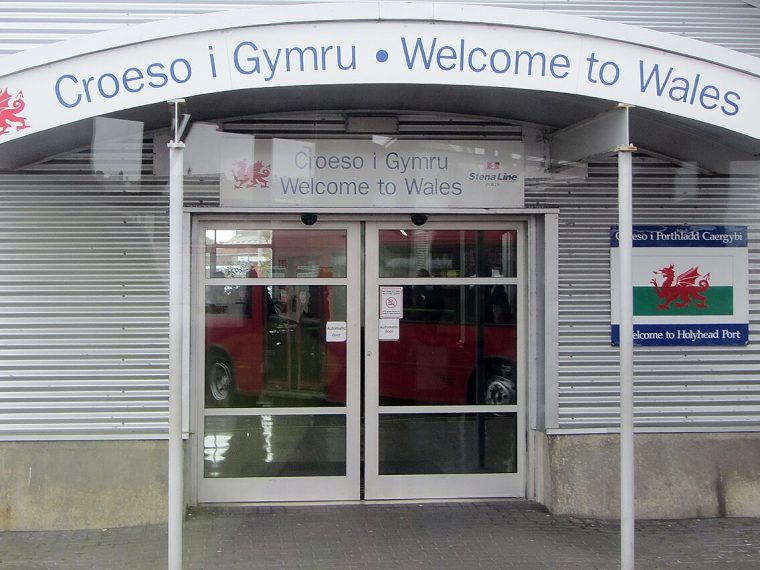
Holyhead: 6 to 9 a day, uncovered and exposed to the wind.
Newhaven, Harwich and Cairnryan are cheaper still, at 5 to 8 a day, because the land is less valuable.
Booking ahead versus turning up
Booking ahead is 20 to 40 percent cheaper at most ports, and it guarantees a space in August.
Turn-up rates are the gate tariff, which is the highest on the board. On a two-week trip the difference is 40 to 80.
Some ports do not take advance bookings at all and simply charge on exit. Those are usually the smaller ones with space to spare.
Check whether the price is per day or per 24 hours. A five-day trip that crosses two part-days can be charged as seven.
Off-site parking and shuttles
Operators near Dover and Portsmouth run fenced compounds with a shuttle bus to the terminal every 15 to 20 minutes.
The shuttle usually starts at 04:00 and runs until the last sailing. Check the hours before booking, particularly for a night crossing.
Off-site parking is cheaper but adds 15 to 30 minutes at each end. For a tight connection, the port car park is worth the premium.
Read reviews about security and key handling. Some operators keep your keys, which you may not want.
Hotel parking packages
A hotel night plus parking for a week often costs less than parking alone at the port. This is the best-value option for trips of a week or more.
The package usually covers 7, 14 or 15 days, with extra days charged at a daily rate. Check the allowance before booking.
Hotels near Dover, Portsmouth, Harwich and Holyhead all run these packages. Book directly with the hotel rather than through an agent.
You get a night’s sleep before an early sailing, which is worth something on its own.
Parking at the terminal versus in town
Town car parks are cheaper but often have time limits or no long-stay allowance. Read the signs before leaving the car for a fortnight.
Some councils clamp or remove vehicles left beyond the permitted period. A 14-day trip in a 24-hour bay is an expensive mistake.
Residential streets near ports are usually controlled. Do not assume a quiet road is unrestricted.
If you park in town, check that the car park is open when you return. A barrier that closes at 22:00 is a problem for a late sailing.
Leaving the car safely
Empty the car of anything visible. Ferry port car parks are targeted by thieves who know cars sit for a fortnight.
Take the registration document and insurance certificate with you, not leave them in the glovebox.
Photograph the car and the mileage before leaving. It helps with any dispute on return.
Note the bay number and the level. A fortnight later, most people have forgotten.
What happens if the sailing is cancelled
A cancelled sailing can leave you with a car in the port car park and a rebooking two days later. Check the parking terms for extensions.
Most port car parks charge the daily rate for extra days without penalty. Some off-site operators charge a higher rate for unbooked extensions.
If you abandon the trip, collect the car before claiming a refund on the parking. Some operators will refund unused days with evidence.
Travel insurance rarely covers parking. Read the policy if the trip is expensive.
Parking with a motorcycle or bicycle
Motorcycles usually park free or for a nominal charge in a designated area near the terminal.
Bicycles can be left in cycle racks at most ports, though not for long periods and not securely.
If you are touring, take the bike with you rather than leaving it. It crosses free on most routes.
Motorcycle parking is uncovered and unsupervised. Use a disc lock and take the helmet with you.
The economics, worked
Two adults, Portsmouth to Caen, six days. Port parking at 10 a day is 60. Car crossing with a cabin is 280.
On foot: tickets 140, parking 60, taxis 50, car hire for five days 200. Total 450 against 370 by car.
Two adults, Dover to Calais, three days. Port parking at 12 a day is 36, foot tickets 80, taxis 30: total 146. Car crossing 130 plus 40 fuel: 170.
Foot wins on the short trip and loses on the long one, and parking is the variable that decides it.
Alternatives to parking at the port
Rail to the port removes the parking cost entirely. Dover, Holyhead, Harwich and Portsmouth all have stations within reach.
A friend dropping you off is cheaper still, and it works for any port with a drop-off zone.
Airport-style meet-and-greet exists at Dover and Portsmouth and costs 60 to 90 for a fortnight. It is convenient and rarely the cheapest.
For a trip of three days or less, a taxi both ways often beats parking outright.
Accessible parking
Blue badge holders usually park free or at a reduced rate in port car parks, subject to the council’s rules.
Spaces near the terminal are limited and cannot be booked. Arrive early if you need one.
Some ports offer assistance from the car park to the terminal. Ask when booking rather than on arrival.
If you need a wheelchair-accessible transfer, telephone the port at least 48 hours ahead.
Parking for a two-week trip
Fourteen days at 12 a day is 168, which is more than a foot passenger return on most short routes.
A hotel package with 15 days of parking often costs 130 to 170 including a night’s stay, which makes it cheaper than parking alone.
Off-site operators with a shuttle bring the cost down to 90 to 130 for a fortnight, at the price of a 15-minute transfer.
Compare the total against a car ticket before deciding. On a two-week trip with two people, the car often wins.
Parking for motorhomes
Few port car parks take motorhomes, because of height barriers and space. Those that do charge by length.
Motorhome owners going to an island on foot usually park at a campsite instead, which is cheaper and more secure.
Some sites near Dover and Portsmouth offer storage for a fortnight at 60 to 90, including a lift to the terminal.
Ask at the campsite when booking. Most are used to the request and price it separately from a pitch, usually at half the nightly rate for a fortnight.
Height barriers are the main problem: a motorhome over 2.5 metres cannot enter most multi-storey car parks, and port car parks with barriers are no different.
If a campsite cannot store the vehicle, a farm or a small private site often will for 5 to 8 a night. Ask locally rather than online.
Two weeks of storage at 8 a night is 112, against 168 at the port, and the difference pays for a taxi to the terminal twice over.
Book the storage at the same time as the ferry. The sites near the ports fill first in summer, and the cheap options go before the convenient ones.
What to check before you book parking
Compare the port rate, the off-site rate and a hotel package for your exact dates and duration.
Confirm the shuttle hours and whether they cover your sailing time, particularly for a night crossing.
Check whether the price is per day or per 24 hours, and whether part-days count.
Book ahead. The gate rate is always the highest and the space is never guaranteed.