Ferry travel with children: cabins, queues and the boredom problem
Travelling on a ferry with children is easier than flying and harder than driving, and the difficulty is almost entirely about the three hours...
 Fabrice Dejean7 min readOct 10, 2026
Travelling on a ferry with children is easier than flying and harder than driving, and the difficulty is almost entirely about the three hours between boarding and arriving. Solve the boredom and the rest follows.
The advantages are real: no baggage limit, no seatbelt for four hours, space to move and food you can bring. The disadvantages are queues, stairs and the fact that a ship is a confined space with a lot of interesting machinery.
Choosing the crossing
Short beats long. A 90-minute crossing is an adventure; a 16-hour crossing is a parenting exercise.
Daytime beats overnight for children under five, who sleep badly in strange beds and wake everyone else.
Conventional ships beat fast craft, because there is more space and more to look at.
If the crossing is long, book a cabin. It gives the children a place to be loud that is not a shared lounge.
Cabins for families
A four-berth cabin is cheaper than two cabins and keeps the family together. The bunks are fixed, so the youngest takes the lower one.
Book low and midships if anyone is prone to seasickness. The top deck moves most and the suites are usually there.
Cabin doors do not always lock from the inside in the way a hotel door does. Check the mechanism on arrival.
Bring a night light. Ship cabins are either pitch dark or lit by a fluorescent strip, and neither suits a child who wakes at 03:00.
The boarding hour
The hour between the barrier and the ship is the hardest part of the trip. There is nothing to do and nowhere to sit.
Bring snacks, water and a charged tablet. The port terminal has a café but the queue is long at peak times.
Use the toilets before boarding. The ship’s toilets are busy for the first 20 minutes.
Keep one adult with the children and let the other handle the documents. Splitting the tasks halves the stress.
On board: where to sit
Find a seat near a window and near a toilet, in that order of priority. The view is the entertainment.
Avoid the bar lounge, which is noisy and has glass on low tables.
Outside decks are the best place for energetic children, subject to weather and the ship’s rules.
On a full sailing, go up as soon as boarding starts. The good seats go in the first ten minutes.
Entertainment that actually works
A tablet with downloaded films, headphones for each child and a power bank. Ship wifi is unreliable and often paid.
Cards and a small board game work better than screens on a short crossing, because they involve the adults.
The ship itself is the attraction on a first crossing: the engine noise, the wake, the loading of lorries. A walk around the deck fills an hour.
Do not rely on the ship’s entertainment programme. It exists on large ferries and is aimed at a different audience.
Food and drink
Bring your own food. It is cheaper, faster and the children will eat it.
Hot food on board is 30 to 40 percent above port prices, and the queues at peak times are long.
Avoid fizzy drinks before a crossing if anyone is prone to sickness. Ginger biscuits are a reasonable alternative.
Water in refillable bottles, filled before boarding. Ship water is drinkable but the fountains are few.
Seasickness in children
Children between two and twelve are the most susceptible group, and they rarely recognise the early signs.
Watch for pallor, yawning and sudden quietness. Act early with fresh air and a plain snack.
Children’s antihistamine doses exist and need a pharmacist’s advice, not a halved adult tablet.
Sit low, face forward and keep the child looking at the horizon rather than at a screen.
Safety on board
Deck gates are closed in wind and must not be opened. Explain this before boarding rather than during.
Stairs are steep and the ship moves. Hold hands on the stairs for the first crossing, whatever the age.
Lifejackets are in the cabin or under the seat. Point them out on arrival, calmly.
The ship’s crew are used to children and will help. Ask them rather than struggling alone.
The vehicle deck
Passengers cannot return to the car during the crossing. Everything needed must come up at boarding.
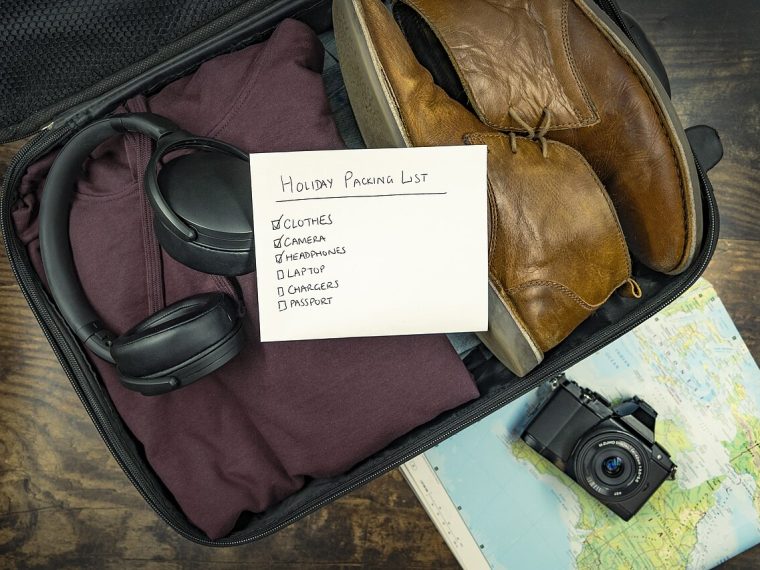
That includes nappies, formula, medication and the favourite toy. Write a list before you pack the car.
Note the deck and stairwell letter, and photograph the boarding card. Children find the right car faster than adults do.
On arrival, wait for the deck hands before walking between vehicles. Reversing lorries are the real hazard.
Nappies, bottles and the practicalities
Baby changing facilities exist on most ferries, usually in the accessible toilets. They are basic but clean.
Hot water for bottles is available from the café. Ask rather than assuming.
Bring more nappies than you need. Ferry delays are common and the shop sells almost nothing useful.
A sling is easier than a pushchair on stairs and ramps. Pushchairs must be folded and stored.
Teenagers
Teenagers want wifi, a seat near a plug and to be left alone. Choose a lounge with charging points.
Older children can explore the ship independently on a large ferry, within agreed boundaries and a meeting time.
The duty-free shop and the games arcade are the two places they will find without help.
Agree a meeting point before boarding. Ships are bigger than they look and phone signal is unreliable at sea.
Long crossings with children
An overnight crossing is easier than a long daytime one, because sleep removes six hours of the problem.
Book a cabin with a window if the crossing involves a sunrise, which is genuinely exciting for a child.
Plan the day at the far end loosely. A child who has slept badly needs a beach, not a museum.
Breakfast on board is worth the money on a long crossing. It gives the morning a structure.
What to pack in the day bag
Snacks, water, wet wipes, a change of clothes for the youngest, medication and a power bank.
One comfort item per child, and one activity that does not need a battery.
Sun cream and hats if the deck is open, and waterproofs if it is not.
Passports, in an adult’s bag rather than a child’s rucksack.
Travelling with a baby
Book a cabin on anything over four hours. A baby needs a flat surface and a quiet space, and neither exists in a lounge.
Take twice the nappies you think you need, plus formula, bottles and a flask of hot water. The café will refill a flask but not at 05:00.
A sling is easier than a pushchair on ramps and stairs, and pushchairs must be folded anyway.
Board early. The first ten minutes on a ship decide whether you get a quiet corner, and a quiet corner decides the whole crossing.
What to do when the crossing is rough
Take children to a low, midships seat and keep them looking at the horizon rather than at a screen.
Plain food and water, no fizzy drinks, and no running around. Movement makes nausea worse, and a tired child is more susceptible than a rested one.
Ask the crew for a quiet area. Every ship has one and the crew know where it is.
If a child is vomiting repeatedly, tell the crew. They can arrange a cabin or a doctor at the next port.
What to check before you travel
Whether the fare includes children free or at a reduced rate. On most routes, under-fours travel free.
Whether the cabin has four berths and whether they are bunks. Some ships have family cabins with a double and two singles.
Whether the ship has a play area, which matters on crossings over three hours.
The check-in time, and add 20 minutes for the extra logistics of travelling with children.