Baltic crossings: Stockholm, Helsinki and Tallinn by sea
The Baltic is Europe's most underrated ferry region, with overnight cruise ferries linking Stockholm, Helsinki, Tallinn, Riga and St Petersburg's approaches at fares that...
 Fabrice Dejean7 min readSep 15, 2026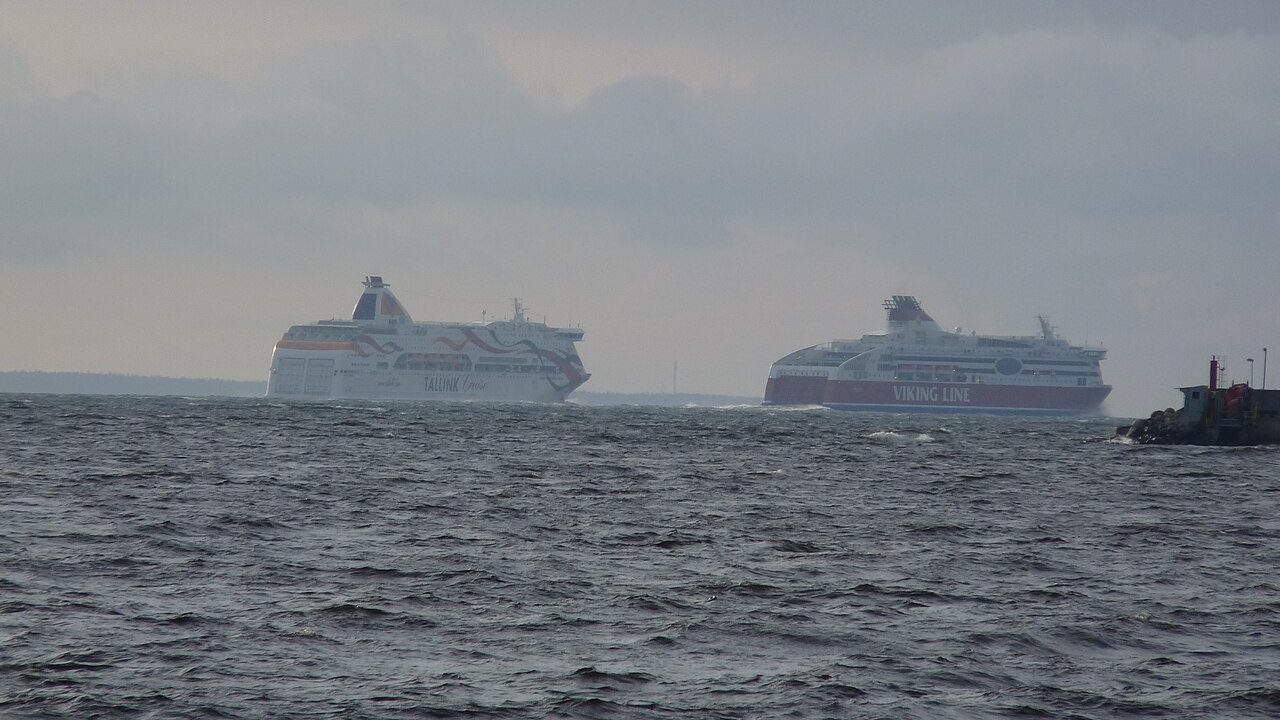
The Baltic is Europe’s most underrated ferry region, with overnight cruise ferries linking Stockholm, Helsinki, Tallinn, Riga and St Petersburg’s approaches at fares that undercut the airlines. The crossings are long, the ships are large, and the experience is closer to a mini-cruise than to a commute.
Three routes matter for most travellers: Stockholm to Helsinki, Stockholm to Tallinn, and Helsinki to Tallinn. The first two are overnight, the third is a two-hour hop.
Stockholm to Helsinki
An overnight crossing of about 17 hours, leaving Stockholm in the late afternoon and arriving in Helsinki the following morning.
Two operators run it, both with large cruise ferries carrying cars, cabins, restaurants, bars and entertainment.
Fares for a car and two passengers with an inside cabin run 150 to 300 return, which is less than a hotel night in either capital.
It is the classic Baltic mini-cruise, and many passengers take it for the trip rather than the destination.
Stockholm to Tallinn
A similar overnight crossing of about 17 hours, often routed via Mariehamn in the Åland Islands.
Tallinn is cheaper than Helsinki as a destination, and the route carries a lot of shopping traffic.
Fares are similar: 140 to 280 return with a cabin for a car and two people.
The Åland stop matters for duty-free rules, which is why the ships sell tax-free goods on this route.
Helsinki to Tallinn
A two-hour crossing across the Gulf of Finland, with departures every hour or two through the day.
Fast catamarans and conventional ferries both run it, and the price is low: 20 to 50 return for a foot passenger.
Cars cost 60 to 120 return, and the vehicle decks fill with Estonian labour traffic on Friday evenings.
It is one of the busiest passenger routes in Europe and one of the cheapest per mile.
The ships
Baltic cruise ferries are large: 10 to 14 decks, several restaurants, bars, a nightclub, a spa, shops and cabins for 2,000 passengers.
The standard is high and the atmosphere is lively, particularly on Friday and Saturday sailings when the entertainment is aimed at party traffic.
Quieter cabins are available on the upper decks and away from the bar areas. Ask when booking.
The ships are stable in most weather, and seasickness is less common than on the North Sea.
Cabin categories
Inside cabins are the cheapest and have no window. Outside cabins have a window and cost 20 to 40 more.
Suites and family cabins are available and are good value for four people sharing.
Some operators sell berths in shared cabins, which is how foot passengers cross cheaply.
Cabins on these routes are small but well equipped, with a shower and a WC.
Duty-free and the Åland exception
Ships stopping at Mariehamn can sell tax-free goods because Åland is outside the EU’s tax area. This is why the Stockholm to Tallinn and Stockholm to Helsinki routes are shopping destinations.
Alcohol, tobacco and perfume are the main draws, and the prices are genuinely lower than in port.
Allowances apply on arrival, and customs checks happen at the terminal.
Buying a lot is normal on these routes. Buying more than the allowance is not.
Vehicles and driving on board
Cars drive on and off through the stern ramp, and the loading is quick because the ships are designed for it.
Vehicles are parked on dedicated decks and passengers go straight up. You cannot return to the car during the crossing.
Motorhomes and caravans are carried, and height limits apply. Declare the dimensions at booking.
Fuel is cheaper in Estonia and Finland than in Sweden, which is why some drivers plan a fill-up at the far end.
Stockholm’s terminals
Stockholm has two ferry terminals: Värtahamnen for the Helsinki and Tallinn ships, and Frihamnen for some services.
Both are a short metro or bus ride from the city centre, and both have parking.
Check which terminal your operator uses before setting off. They are 15 minutes apart.
Foot passengers check in at the terminal and board through a walkway.
Helsinki’s terminals
Helsinki has several: Olympia Terminal for the Stockholm ships, Länsisatama for Tallinn services, and Katajanokka for some routes.
All are within walking distance of the city centre, which makes the crossing convenient without a car.
Trams connect the terminals to the centre in 10 to 15 minutes.
Check-in closes 60 minutes before departure for cars and 30 for foot passengers.
Tallinn’s terminal
Tallinn’s D-terminal is a 15-minute walk from the old town, which is one of the reasons the Helsinki route is so popular.
The terminal is modern, with shops, cafés and a large waiting area.
Check-in closes 60 minutes before departure for vehicles.
The walk into the old town is flat and signed. It is one of the easiest port-to-centre transfers in Europe.
Prices compared with flying
Stockholm to Helsinki by air takes an hour and costs 60 to 150 each way. The ferry takes 17 hours and costs 75 to 150 each way with a cabin.
The ferry includes a night’s accommodation, two meals if you eat on board, and 34 hours of transport. The flight includes a bag and a seat.
For a city break, the flight wins on time. For a slow trip, the ferry wins on everything else.
Helsinki to Tallinn is the one route where the ferry beats flying outright, because the airports are outside both cities.
Winter crossings
The Baltic freezes in the north, and the northern routes use ice-class ships that break their own path.
Crossings are rarely cancelled but are often delayed by ice. Add two hours to any winter schedule.
The ships are warm and the views over frozen water are extraordinary. Winter is the best season for the crossing itself.
Fares drop 20 to 30 percent in January and February.
What to book first
Book the cabin category first, then the sailing. Cabins sell out before vehicle space on these routes.
Book the return at the same time. One-way fares are priced at 70 to 80 percent of a return.
Register for the operator’s newsletter, which announces promotional fares several times a year.
Check which terminal in Stockholm and Helsinki. Both cities have several.
Getting to the terminals on foot
Stockholm’s Värtahamnen is a 15-minute walk from Gärdet metro station, or a short bus ride from the centre.
Helsinki’s Olympia Terminal is a 15-minute walk from the market square, and the tram stops outside.
Tallinn’s D-terminal is a 15-minute walk from the old town, flat and signed the whole way, which makes it the easiest of the three on foot.
All three are usable without a car, which is why the Baltic routes work as city breaks.
What the on-board evening looks like
The ships leave in the late afternoon and the evening has a rhythm: dinner at 18:00, the bar from 20:00, entertainment at 21:30 and the shop open until late.
Breakfast starts at 06:00 and the ship arrives around 09:30, which gives a full day at the far end.
Friday and Saturday sailings carry a party crowd and a live band. Mid-week sailings are quieter and cheaper.
Families usually book a cabin away from the entertainment deck. Ask when booking rather than at reception.
What to check before booking
Confirm the terminal in each city, because Stockholm and Helsinki both have several.
Check whether the fare includes breakfast, which varies by operator and cabin class.
Compare the crossing with a flight for a city break, and with a hotel night for a longer trip.
Book the cabin first, then the sailing. Cabins sell out before vehicle space on these routes, and the cheapest inside cabins go first.
Food on board
Baltic ferries have a buffet, an à la carte restaurant, a cafeteria and several bars. The buffet is the best value at 25 to 40 per person.
Breakfast is often included in the cabin price or sold at 10 to 15.
Restaurant prices are high by local standards but reasonable for a captive audience.
Bringing your own food is allowed on most operators, though not into the restaurants.