Holyhead port guide: foot passengers, cars and the walk to the gangway
Holyhead is a small port with a large freight operation, and the two are separated by a fence. Cars and foot passengers use the...
 Fabrice Dejean8 min readSep 21, 2026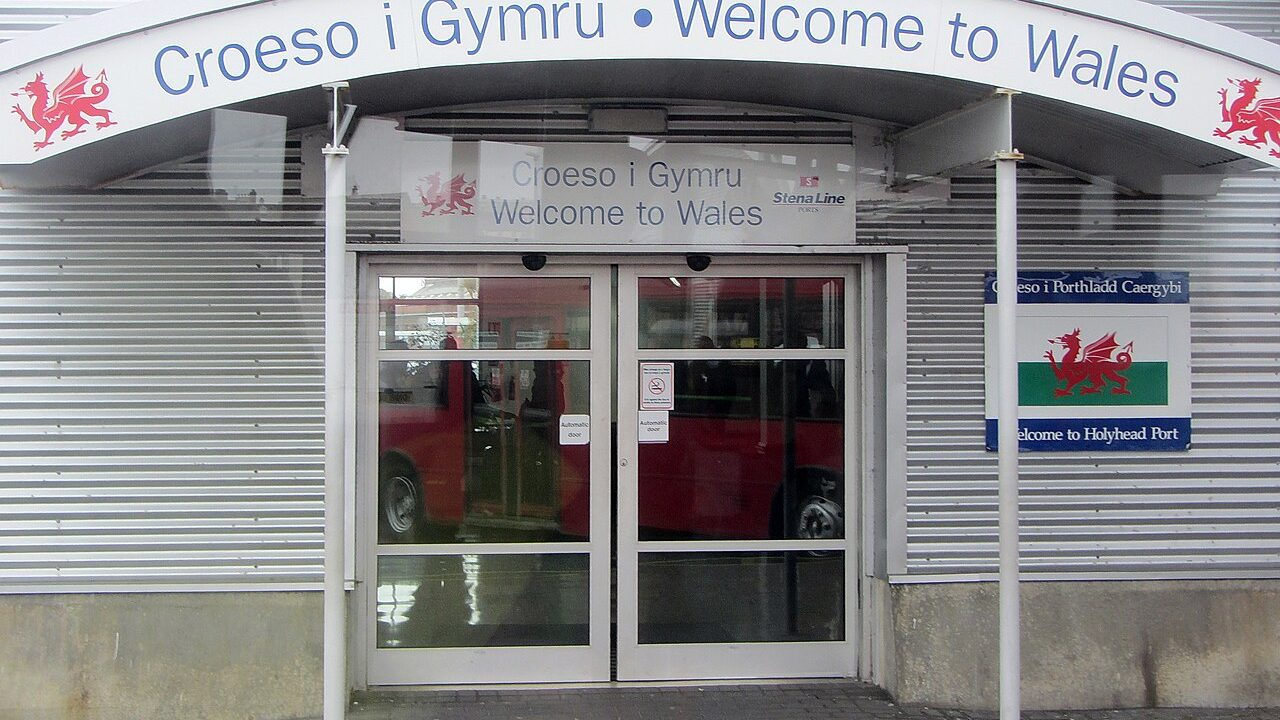
Holyhead is a small port with a large freight operation, and the two are separated by a fence. Cars and foot passengers use the terminal building on the south side, while lorries use a holding area beside it, which is why the approach road can look busy when the terminal itself is quiet.
The port sits on Holy Island, at the western tip of Anglesey, and the A55 motorway runs almost to the gate. That makes it one of the easiest ferry ports in Britain to reach by car.
Getting there by road
From the Britannia Bridge, the A55 crosses Anglesey in about 25 minutes and ends at the port. The final two miles are a dual carriageway with a single roundabout.
The A5 from the Menai Bridge is the alternative when the A55 is restricted in high winds. It adds 15 minutes and passes through several villages.
Satnavs sometimes route to the town centre rather than the port. Look for the ferry terminal signs, not the postcode.
There is a petrol station on the approach, and another in Holyhead town a mile away. Fuel on Anglesey is not the cheapest in Britain, so fill up before crossing if you are heading deep into Ireland.
Car check-in
Check-in closes 60 minutes before departure, and the operators ask for 90 minutes in peak season. The vehicle lanes are shared with freight at busy times.
Two operators use the port, each with its own booth. Follow the operator name on your booking rather than the destination, because both sail to Dublin.
The booth issues a lane number and a boarding card. Keep the card visible; the ramp crew check it as you load.
If the booth cannot find your booking, park in the marked area and walk to the terminal desk. The walk takes three minutes.
The foot passenger route
Foot passengers check in at the terminal building and board through a covered walkway to the ship. The walk is about 300 metres and is sheltered.
Boarding usually starts 30 minutes before departure. Foot check-in closes 45 minutes before, which is a later cut-off than for cars.
The terminal has toilets, a café and seating. It is small but adequate, and it is warm in winter, which the vehicle lanes are not.
Holyhead railway station is directly beside the terminal. The walk from platform to check-in is under five minutes, which makes the port unusual in Britain.
The rail connection
Trains from London Euston take about three hours 40 minutes, and the line runs along the north Wales coast with a change at Chester on some services.
The station is called Holyhead and sits at the end of the platform beside the ferry terminal. The connection is signed and step-free for most of the route.
SailRail tickets combine train and ferry in one fare and are sold by the rail operators. They are usually cheaper than buying separately.
Allow 45 minutes between train arrival and ferry departure. The connection is short, but a delayed train is a common reason to miss a sailing.
Border control
Irish border control is carried out at Holyhead for passengers travelling to Dublin. Passports are checked for everyone, including British citizens.
The checkpoint is inside the terminal for foot passengers and at a booth for vehicles. In peak season the foot queue can be slower than the car queue.
Customs checks are light on this route but they exist. Declare anything above the allowance.
Pets are checked here too, with the microchip and vaccination record required. Ireland does not require the EU tapeworm treatment.
Facilities at the port
The terminal has a café, toilets, a small shop and seating. It is open from early morning until the last sailing.
There is no hotel at the port. Holyhead town has several small hotels and guest houses within a mile.
Cash machines are available in the terminal and in the town. Card payment works everywhere in the port.
There is no left luggage facility. Travellers with bags should use a hotel or travel light.
Parking for foot passengers
A long-stay car park sits beside the terminal and is charged per day. It is uncovered and exposed to the wind.
The car park fills on Friday mornings in summer, when weekend traffic to Dublin peaks. Arrive early or book a space.
Cheaper parking exists in Holyhead town, but the walk to the terminal is 15 minutes and not pleasant with luggage.
Book online where the option exists. The turn-up rate is higher and the barrier takes cards only.
When the wind closes the bridge
The Britannia Bridge and the A55 crossing are restricted in high winds, and high-sided vehicles are diverted first. Cars are usually allowed through, but the restriction slows everything.
In a severe gale, the Menai suspension bridge may also close. That cuts Anglesey off from the mainland road network for a few hours.
Port operations continue in wind that closes the bridges, so the ship may sail while the road is shut. That is the worst combination for a driver.
Check the traffic service before leaving in winter. A 40-mile detour is better than a missed sailing.
Overnight sailings
Both operators run late departures that arrive in Dublin after midnight or before dawn. These are cheaper and quieter.
The terminal is staffed through the night, and the café closes after the last evening departure. Eat before you arrive.
A cabin is worth booking on the night sailing, even for three hours. The alternative is a reclining seat in a lit lounge.
Arriving in Dublin at 05:00 means waiting for the city to open. Check your accommodation’s reception hours before booking the night boat.
What the crossing is like
The conventional ships take three hours 15 minutes and have restaurants, bars and lounges. They are comfortable and rarely cancelled.
The fast catamaran takes two hours 15 and is less comfortable in a swell. It also cancels more often in winter.
The route is exposed, and force 6 is not unusual between November and March. Stabilisers help, but the ship still moves.
Book a low midships seat if you are prone to seasickness, and take medication before departure rather than after.
The drive from the port into Ireland
Dublin Port is two miles from the city centre, and the exit puts you on the road to the M50 ring road within five minutes.
Galway is 130 miles west on the M6 and takes about two and a half hours. Cork is 160 miles south on the M7 and M8, about three hours.
Belfast is 100 miles north on the M1 and takes about two hours. The border is open and there are no checks.
Toll roads around Dublin take coins or a tag, and the M50 barrier is entirely electronic. Rentals usually have a tag.
Food and supplies
Holyhead town has a supermarket, several cafés and a chip shop within a mile of the port. The terminal café is adequate but limited.
On the Irish side, Dublin Port has nothing within walking distance. Eat on board or wait until the city centre.
Prices on board are 30 to 40 percent above port prices. A sandwich bought in Holyhead costs half what it does on the ship.
If you are travelling on foot, buy food before boarding. The terminal shop is small and closes before the last sailing.
The town and the port
Holyhead town sits on the hill above the port, and the two are connected by a road that runs past the station. The town centre has a supermarket, a few cafés and a chip shop within five minutes of the terminal.
It is not a destination in itself, but it is useful for supplies, fuel and a meal before an evening sailing.
South Stack lighthouse is four miles west and worth an hour if you arrive early. The cliff path and the RSPB reserve are both free.
Anglesey’s beaches are 20 minutes east, and the island has enough to fill a day if a crossing is delayed.
Wind restrictions and the bridges
The Britannia Bridge carries the A55 and is restricted in crosswinds, with high-sided vehicles diverted first. Car restrictions follow if the wind increases.
When the Britannia Bridge is restricted, traffic diverts via the Menai suspension bridge, which adds 15 to 25 minutes and is a slower road.
In extreme weather both bridges can close, which cuts Anglesey off. That happens once or twice a winter and lasts a few hours.
If you are travelling to a fixed sailing in winter, check the bridge status before leaving the mainland. A closed bridge means a missed boat and no alternative port within 90 minutes.
What to check before you travel
Confirm which operator you booked, because the booths are separate and the terminals are 200 metres apart.
Check the sailing status and the wind forecast. This route cancels more often than the Dover Strait.
Have passports, booking reference and pet documents ready at the booth or the desk.
Arrive 90 minutes early with a car and 60 minutes on foot, and add 30 minutes if the bridges are restricted.